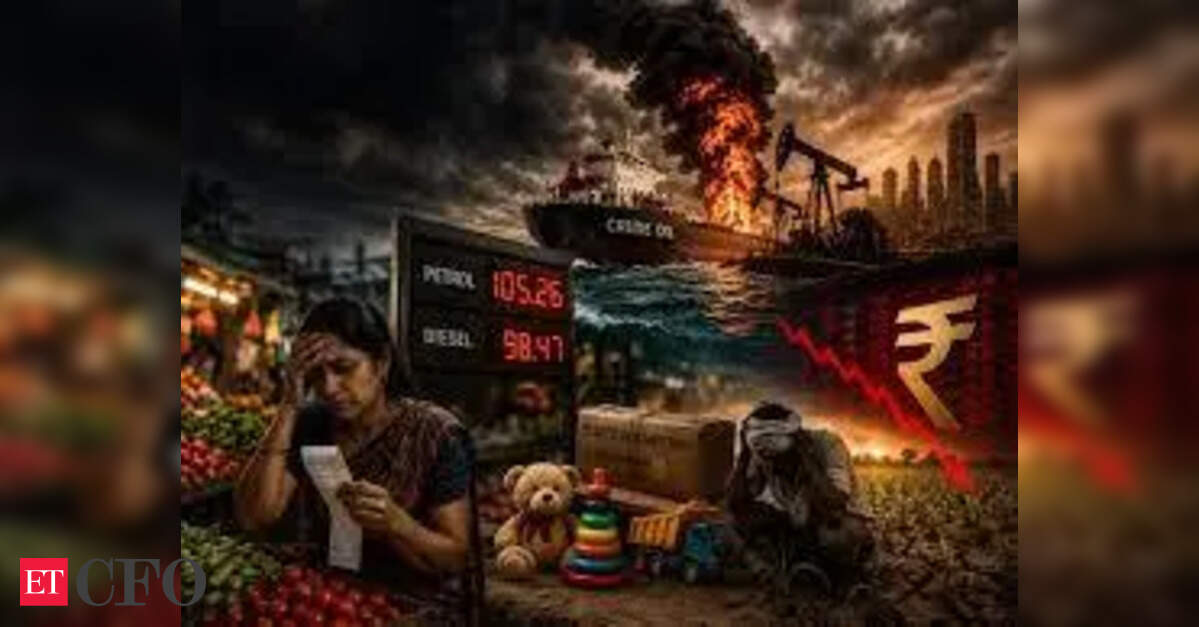



I am writing this note from the road as I am heading back to Mumbai. The first thing I wanted to do was fuel my car. But unfortunately, even after visiting four petrol pumps, I couldn’t get it. I wasted a few litres searching for various pumps, and when I finally reached one after crossing a ghat, I realised my dashboard showed just 4-5 km range left. Fortunately, the pump had fuel, and I filled my tank and continued my journey to Mumbai.
The wind was blowing and the fresh air was rejuvenating. The crops of jowar, patches of barren land, hillocks, mountains, and windmills together reflected the magnificent landscape of Western Maharashtra. I visited a few places in and around Sangli district over the last two days for personal reasons. What I could see, however, is that the impact of the Iran war and the West Asia crisis has become a major topic of discussion at the chauraha and under the tamarind trees in villages during informal gatherings.
“Did you get the gas cylinder? At what price? Did you get petrol, CNG, or diesel? From which petrol pump? How long will this continue?” These are now common questions, as the oil and gas supply chain has been disrupted. Had I not found fuel at the last petrol pump, I would have been stranded.
Impact on the Rural Economy
Most restaurants and roadside dhabas are serving only a limited menu due to LPG shortages. At one place where I expected a hot Maharashtrian vada pav, I couldn’t get it because nothing was being fried and the menu was restricted. The restaurant manager said that earlier he used to buy a cylinder for Rs 1,700, but now he is paying as much as Rs 5,000 in the black market.
While prices have increased officially as well, they are still far from the real market rates being charged informally.
Across villages, I saw long queues of people standing in scorching heat of around 40°C outside gas agencies for LPG cylinders. Those who were lucky had tied cylinders to bicycle carriers or motorcycles with ropes and left swiftly.
Urban areas, where most buildings are connected to piped gas, appear relatively insulated from this situation compared to smaller rural pockets.
As they say, India lives in its villages, and I could see that reality unfold clearly.
War and Oil Shock on the Rural Economy
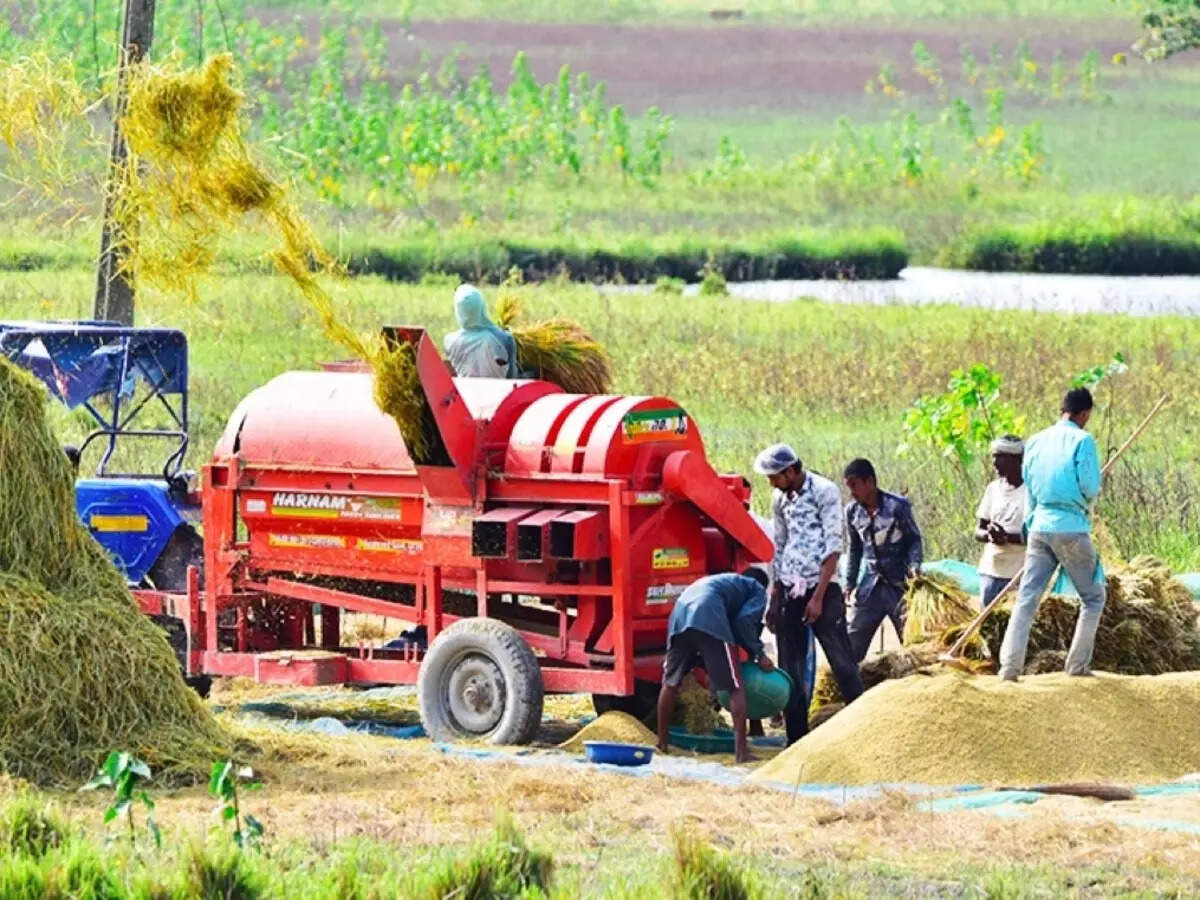
While LPG shortages are pushing rural households back to traditional chulhas, diesel shortages are disrupting the backbone of rural livelihoods.
Many farmers, unable to access diesel, are unable to run irrigation pumps. Weddings and local celebrations are also getting affected as diesel scarcity has reduced generator usage. Transport is also coming under pressure, with trucks carrying vegetables and pulses facing operational constraints. This is beginning to show up in logistics costs, which in turn is squeezing margins for FMCG companies, retail networks, and even small kirana supply chains. If diesel shortages widen, food inflation pressures could intensify, directly feeding into household budgets.
Construction activity too is showing early signs of strain, with higher fuel costs for machinery and transport delaying site operations. Fisheries, dependent on diesel-powered boats, are similarly impacted, while manufacturing clusters relying on steady inbound logistics are beginning to reassess production schedules. Even small businesses in semi-urban areas are reporting rising costs and slower customer movement as transport and operating expenses rise together.
The rural economy, in my view, may be at a critical crossroads if oil supply constraints persist.
Much depends on what happens at the Strait of Hormuz. If the situation does not improve, the ripple effects could be severe, as the entire supply chain is deeply oil-dependent. Rising temperatures are further likely to impact crops negatively. Overall, industries such as construction and allied sectors will also feel the pressure.
There is already a shortage of mangoes this season.
Direct Hit on Businesses and Finances
Why did the labour protests in Noida turn violent? One of the underlying factors is also energy stress. With wages remaining constrained, rising LPG prices have distorted household budgets. Many labourers are already returning to their hometowns, as those dependent on roadside food or tiffin services are struggling due to rising costs and closures of small vendors.
The steep rise in LPG prices has severely impacted daily wage earners and disrupted their household economics. If this continues, labour shortages may rise, and India Inc., especially manufacturing units, could begin to feel the pressure. Even small service businesses are already reporting reduced footfall as transport and food inflation simultaneously compress disposable incomes.
The RBI has already indicated that CPI inflation could cross 4% and even touch 5% in Q2 FY27. Economists also expect it to average around 4.9%. Currently, CPI inflation for March 2026 stands at 3.40%, up marginally from 3.21% in February 2026, largely driven by energy prices.
More importantly, there are deeper credit-cycle implications if the crisis persists. Diesel shortages can disrupt agriculture, supply chains, and logistics, affecting cash flows. MSMEs, which sit at the intersection of transport dependence and thin margins, are particularly vulnerable. This is not just an inflation issue, it is a potential asset quality concern for lenders, including banks, NBFCs, housing finance companies, and microfinance institutions.
A recent Macquarie report on fuel highlighted significant under-recoveries and suggested that India should brace for higher pump prices.
I simply felt that without oil, I could have been stranded, and I do not know how I would have made it back to Mumbai. But one thing is certain: in any crisis, the first to be affected is the poor. Whether it was Covid or any other disruption, labourers are the first to suffer, and rural India absorbs the shock quietly before it reaches the headlines.
This also shows that digital infrastructure, no matter how advanced, cannot resolve real-world supply chain disruptions. We still do not clearly know how much of this is a true supply-side shortage versus localised disruption amplified by panic, hoarding, and pricing distortions that may benefit a few.
The question now is whether policymakers and businesses can distinguish between a systemic supply crisis and localised disruption amplified by behavioural and market distortions.
Please share your feedback, suggestions if any. You can reach me on amol.dethe@timesinternet.in.
(Editor’s note is a column written by Amol Dethe, Editor, ETCFO. Click here to read more of his articles exploring several buzzing topics)

Source link
#Oil #Squeezing #Rural #Economy