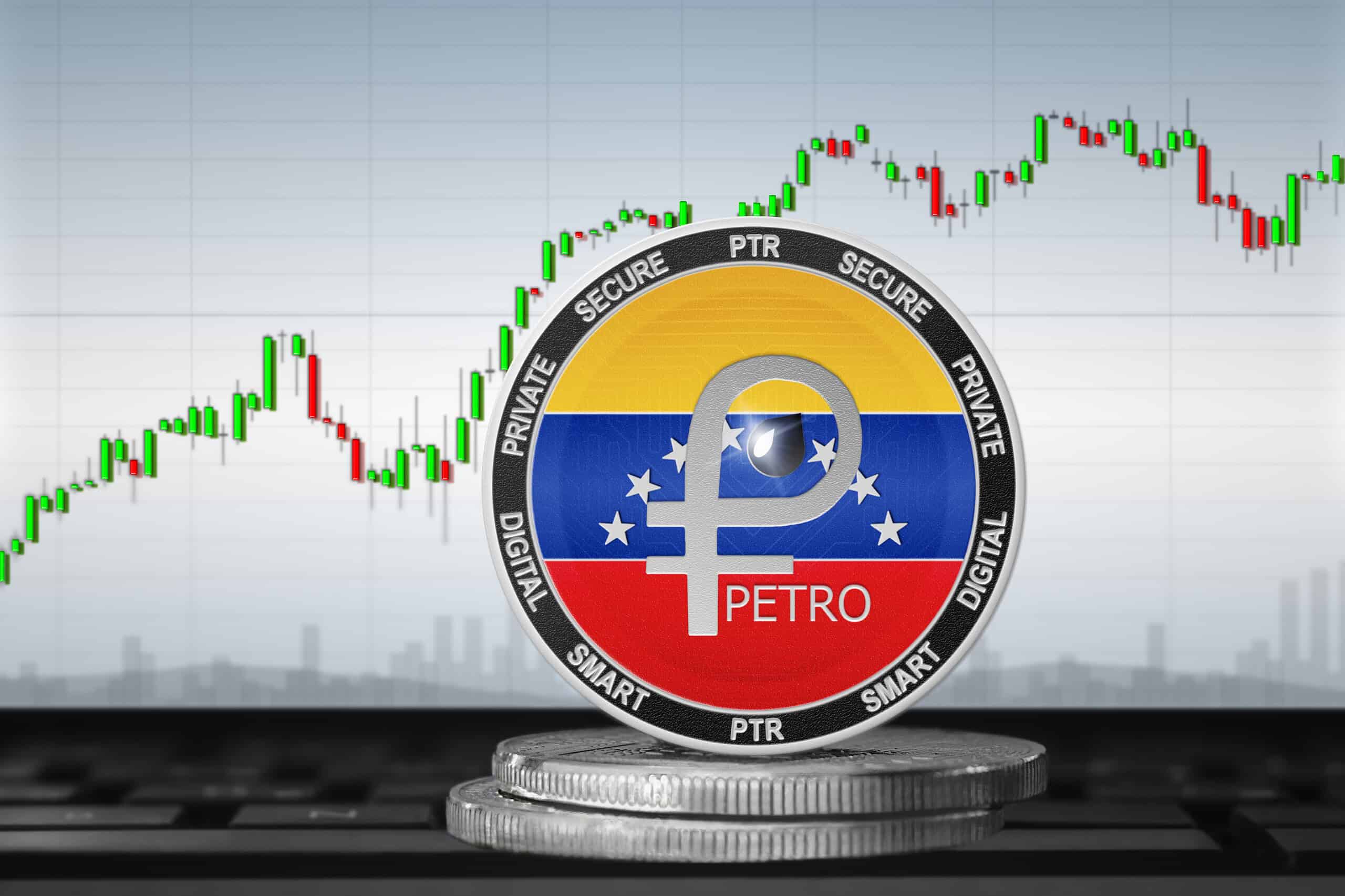
A new report suggests tokenized securities offer a low-cost framework to rebuild the country’s oil sector.


Forced by hyperinflation and sanctions to embrace cryptocurrencies long before the rest of the world, Venezuela consistently ranks among the top countries for crypto adoption globally, according to a Chainalysis report.
But one digital assets firm believes that it lays the foundation for something big in the Latin American country.
“[Venezuela] has significant natural-resource assets, a large diaspora, and a population that is already familiar with digital assets and stablecoins due to years of economic volatility,” Jesse Knutson, head of operations at Bitfinex Securities, told Global Finance. “These factors could support adoption if the appropriate legal and regulatory foundations are established.”
Political Winds Shift
Following President Nicolás Maduro’s apprehension by U.S. forces in January, a window may be opening.
According to a June 11 Bitfinex report, high issuance costs, protracted processes, and layers of intermediation are “hampering the green shoots of a recovery” already taking root in Venezuela. And while oil production surpassed one million barrels per day in 2025, its highest level in seven years, the nation remains far short of the 3.1 bpd it produced in the late 1990s. Bridging that gap will require foreign capital at scale.
Knutson said that tokenized securities infrastructure could dramatically lower the cost of attracting investors.
“Tokenization does not overcome those challenges, but it does allow the country to put in place a more efficient system with less friction, allowing the country to attract foreign capital more cheaply and a wider universe of investors to access Venezuela,” he said.
Fortuitous Timing
Years of hyperinflation and economic turmoil drove Venezuelans to adopt cryptocurrencies for payments, savings, and remittances at a rate unmatched elsewhere in the Western Hemisphere.
A UN report using 2021 data showed that around 10.3% of Venezuelans — roughly one in 10 — owned cryptocurrencies. It also warned that cryptocurrencies pose a threat to financial stability.
The Maduro regime, for example, undermined sanctions by leveraging digital assets to facilitate oil transactions. (It’s worth noting that the U.S. alleged “narco terrorism,” not a crypto-oil entanglement, in its indictment.)
Still, a grassroots familiarity with digital assets gives the country an edge, so long as there are “strong institutions, investor protections, disclosure standards, functioning legal systems, and trusted market participants,” Knutson added.
The El Salvador Comparison
Knutson draws a parallel with El Salvador, which defied the International Monetary Fund when it became the first country in the world to make bitcoin legal tender.
Embracing digital assets helped El Salvador attract much-needed foreign investment. “Venezuela could achieve similar success by embracing blockchain technology in a way that provides regulatory clarity to issuers while offering robust investor protections,” Knutson said.
Bitfinex Securities itself operates regulated platforms in both El Salvador and Kazakhstan, with over half a billion dollars in real-world assets — ranging from tokenized treasury bills to community bank debt — currently trading on its platform.
Still, the firm stresses that tokenization’s success hinges on legal certainty, enforceable property rights and investor confidence.
“Those fundamentals remain critical in any jurisdiction,” Knutson said.
Contact the author: anoto@gfmag.com
Source link
#Tokenization #Revolutionize #Venezuelas #Oil #Economy