Dear Readers,



A century in cricket is a moment of celebration.
A century in the currency market is not.
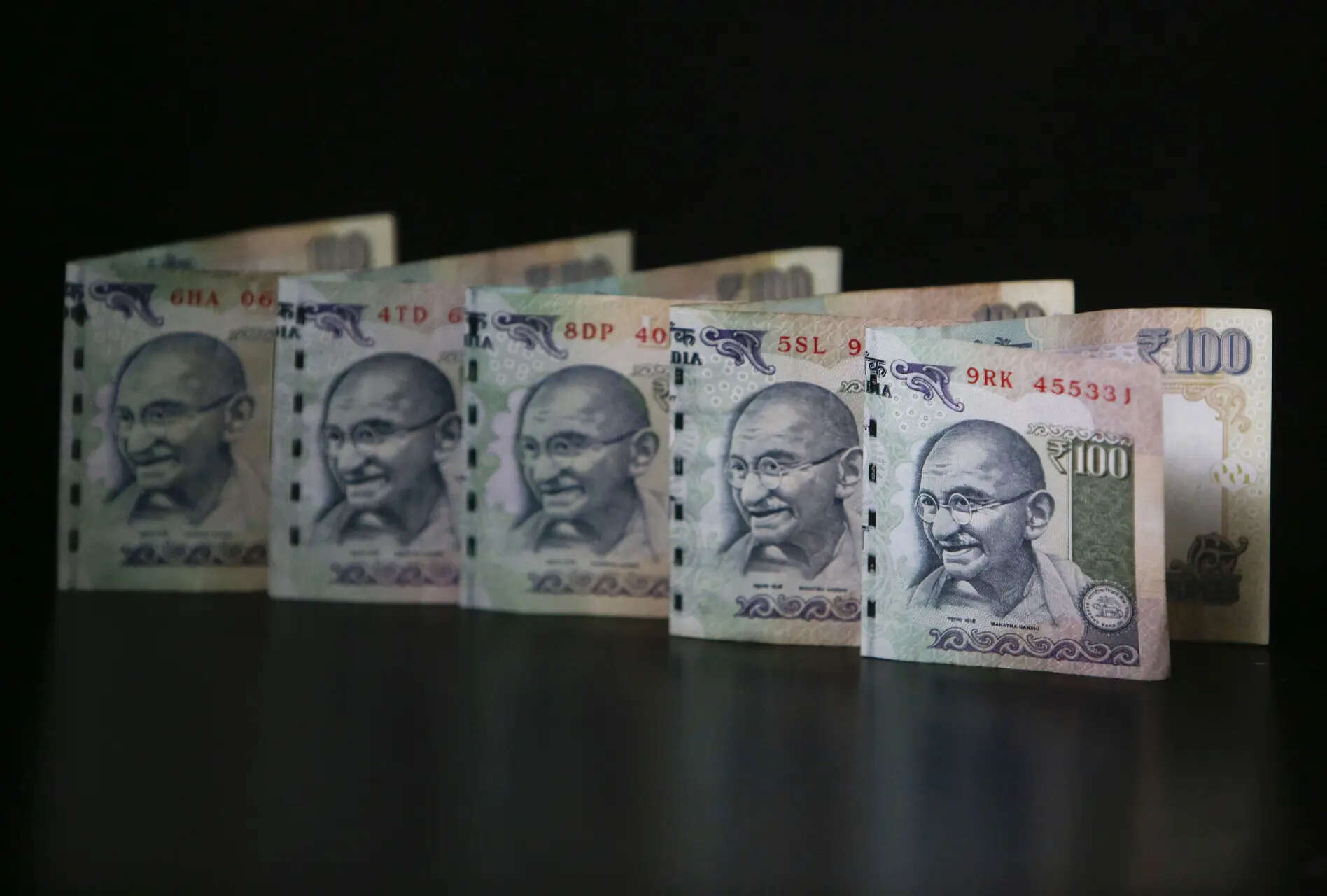
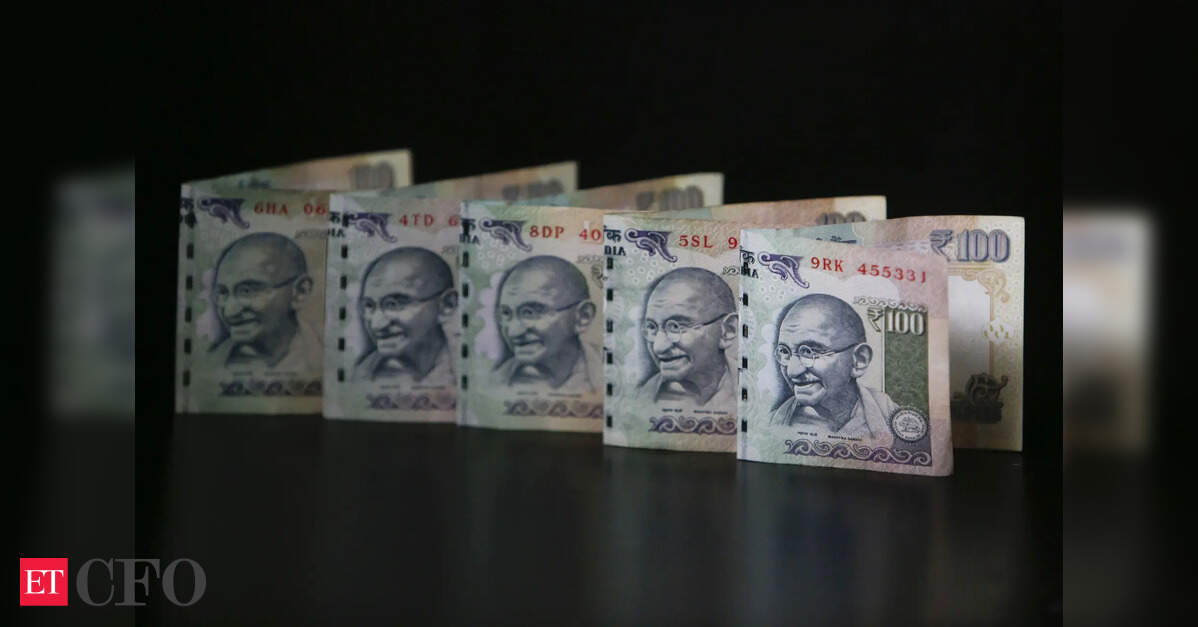
Honestly, I really do not want the rupee to hit the Rs 100 mark against the dollar, but the chances of that happening sooner rather than later now appear quite high. And if the rupee does reach a century, the question is no longer just about market optics or psychology. The real question is: what actually changes for India? Here’s what I think changes.
From restaurant bills and food delivery apps to taxi rides and vegetables, daily life starts becoming costlier. Imported goods such as smartphones, laptops, electronics, medical devices and household appliances become significantly more expensive as the rupee weakens towards Rs 100 against the dollar.
And the impact has already begun.
As the rupee weakens, inflationary pressure is no longer being confined to economists’ discussions or currency markets. It has entered kitchens, fuel stations, monthly budgets and corporate balance sheets.
In my view, the most worried today are parents who have sent their children abroad for higher studies. Tuition fees, accommodation, insurance and living expenses have already risen sharply, with many families witnessing overseas education costs jump by over 10% within just a few months because of the weakening rupee.

Why is the rupee heading towards 100?
The biggest trigger currently is the West Asia crisis and disruptions around the Strait of Hormuz, through which nearly one-fifth of global oil supply moves. India imports more than 85% of its crude oil requirement, making the economy highly vulnerable to geopolitical disruptions and rising crude prices.
India’s monthly oil import bill has reportedly surged to over USD 18 billion from nearly USD 13 billion earlier as crude prices climbed sharply. The impact is already visible in the widening trade deficit, which expanded from USD 20.7 billion in March 2026 to USD 28.4 billion in April 2026.
This week itself, the RBI announced a USD 5 billion dollar-rupee swap for a three-year period to inject dollar liquidity and stabilise the currency market. However, the central bank has, for a long time, refrained from aggressively selling dollars in the spot market, which remains one of the strongest tools to counter sharp currency depreciation.
At the same time, many economists and market experts believe that the RBI should avoid excessively aggressive intervention merely to defend a psychological exchange rate level. As a result, the market increasingly appears to be pricing in a gradual weakening of the rupee, especially as crude oil prices continue to rise.
Brace for higher prices
According to industry estimates, oil marketing companies (OMCs) are currently losing around Rs 1,000 crore every day, translating into nearly Rs 3.6 lakh crore annually. The recent fuel price increase of Rs 3 per litre barely scratches the surface.

Which means the pressure does not disappear. It merely shifts — either fuel prices rise further, government finances absorb the burden, or OMC balance sheets deteriorate.
And if fuel prices rise, the pressure builds. Transportation costs increase first, followed by food, logistics and manufacturing inflation.
About a month ago, while travelling through a small town in Sangli district, I struggled to find fuel because several petrol pumps had empty tanks. That experience stayed with me because it showed how fragile supply chains can become during periods of stress.
Urban India depends heavily on supply chains stretching across villages and smaller towns. Once fuel becomes expensive or supply chains weaken, prices across vegetables, milk, medicines and construction materials begin climbing almost immediately.
In a broader impact, vehicle prices could rise as imported components become expensive. Airlines face higher costs because aviation turbine fuel becomes costlier. Electronics, telecom equipment and medical devices could also become more expensive.
Rupee impact on Indian businesses
Currently, India Inc is already going through a weak private capex cycle. Despite healthy profitability, corporates have remained cautious about investing aggressively in expansion. If the rupee reaches 100 against the dollar, I believe this hesitation could deepen further.
Companies that have borrowed through External Commercial Borrowings (ECBs) are likely to face higher repayment burdens as the dollar strengthens against the rupee. CFOs and treasury heads who preferred foreign currency borrowings because of lower overseas interest rates may come under increasing pressure as hedging costs rise and currency volatility intensifies. Hedging, once considered a routine treasury function, has become far more complex amid continuous rupee depreciation.
Indian companies planning overseas acquisitions or expansion may also pause and reassess decisions as dollar-denominated assets become more expensive. India’s infrastructure story could face temporary stress as several large projects depend on long-term foreign capital, particularly dollar funding.
The only immediate beneficiaries, at least on the surface, may be exporters. IT services companies, pharmaceutical exporters, textile manufacturers and engineering firms could see short-term earnings support as dollar revenues translate into higher rupee income.
Why the impact could be severe
The concern is not merely about a weaker currency. The larger issue is India’s structural dependence on imported energy, imported technology and foreign capital.
The impact of elevated crude prices and rupee weakness may persist for 12–18 months, depending on geopolitical developments, based on my conversations with experts and practitioners.
Foreign institutional investors (FIIs) are already selling aggressively in Indian markets amid global uncertainty and valuation concerns. While India continues receiving foreign direct investment (FDI), inflows are insufficient to fully offset capital outflows and the widening current account deficit.
Another challenge is the changing nature of global capital flows. Increasingly, global money is moving towards AI-led business models, semiconductor ecosystems and deep-tech innovation. India still lacks sufficient scale in AI infrastructure and semiconductor manufacturing compared with the US and China.
What India should now do
India’s biggest priority, along with addressing the current crisis arising out of the West Asia tensions, must now be to reduce structural dependence on imported energy through investments in renewable energy, green hydrogen, battery storage, nuclear energy and domestic energy infrastructure.
At the same time, the government must accelerate PLI schemes and deepen domestic manufacturing in semiconductors, electronics and industrial machinery. India must also sharply increase R&D spending and create conditions for a revival in private sector capex.
A big untapped opportunity lies in monetising the country’s soft power and demographic dividend more strategically. From technology talent and healthcare professionals to education, entertainment, yoga and digital public infrastructure, India already possesses enormous global influence. The country now needs to convert that influence into long-term economic strength.
Skilled Indian professionals in AI, healthcare, engineering and advanced manufacturing can become one of India’s biggest export strengths over the next two decades. Remittances already contribute more than USD 120 billion annually to the economy, and that number can rise substantially with a structured global talent strategy.
India also requires a serious long-term push into AI infrastructure, semiconductor fabrication and deep-tech ecosystems. Global capital increasingly rewards technological leadership, and India cannot rely only on traditional services exports in the next decade.
Bottom line
The real danger is not the rupee reaching a century, but the Indian economy’s structural dependence on imported energy, technology and foreign capital.
A weaker rupee may temporarily support exporters, but long-term resilience will depend on whether India can build stronger domestic manufacturing, technological independence, energy security and innovation capacity.
P.S. Friends from Bengaluru, we are holding the 4th edition of the ETBFSI FinNext event on June 18. Don’t miss it.
Please share your feedback, suggestions if any. You can reach me on amol.dethe@timesinternet.in.
As usual, I am adding here the top 5 stories of the week, trust you will find them meaningful.
1. Too costly to trade India? Experts say FPIs face higher tax, compliance burden
2. West Asia war pushed organised plywood players to gain market share, says Greenply CFO
3. AI-driven finance transformation may shrink junior roles even as CFO role expands
4. AI deployment across finance functions nearly doubles over the past year
5. How falling rupee has cushioned India IT sector amid AI disruption
Happy Reading
Amol Dethe,
Editor,
ETCFO
(Editor’s note is a column written by Amol Dethe, Editor, ETCFO. Click here to read more of his articles exploring several buzzing topics)

Source link
#Indian #economy #rupee #hits