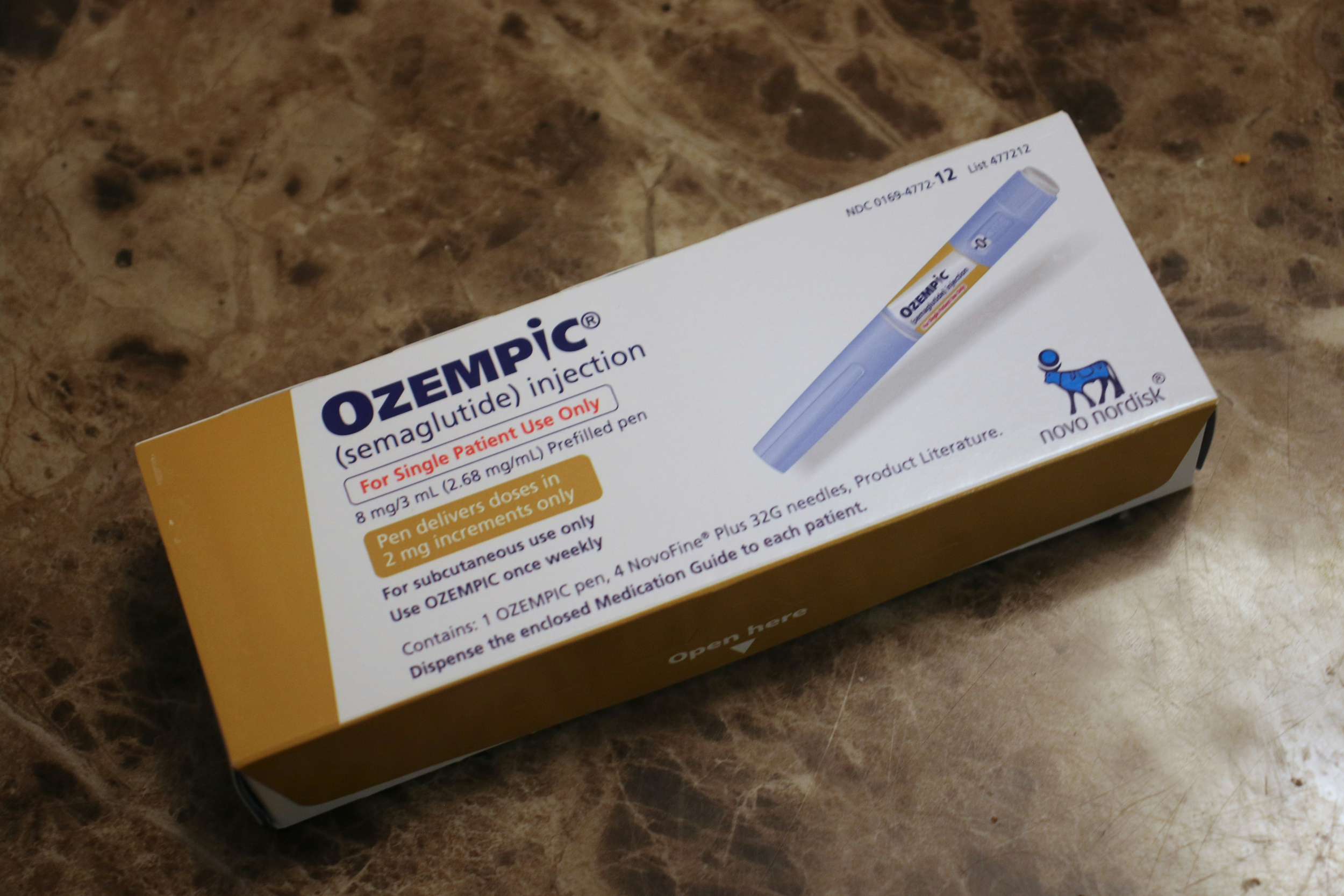
Significant weight loss associated with GLP-1 medications is being linked to a growing range of cosmetic concerns, with plastic surgeons reporting increased demand for corrective procedures targeting changes in the face and body. Reports from U.S. specialists indicate patients are seeking treatment for sagging skin, reduced facial volume, and altered body contours following use of drugs such as semaglutide.
Facial plastic surgeon Sachin S. Parikh noted that fat reduction from semaglutide use can affect small fat pads across the body, including the ears, leading to visible changes sometimes referred to in clinical discussions as “Ozempic earlobes.” The observations were shared in comments published through Fox News, which reported that patients describe ears appearing thinner or more elongated following weight loss.



Parikh emphasized that the medication does not affect ear tissue or hearing, noting that any correction would be cosmetic rather than medical. Treatment options discussed by surgeons include dermal fillers, fat transfer procedures, laser treatments, and surgical reshaping of the earlobe.
Plastic surgeons also report broader body contour changes tied to rapid weight reduction. Dr. Mohammed Asif, a surgeon at Duly Health and Care in Illinois, said he has observed an increase in procedures such as panniculectomies, abdominoplasties, arm lifts, thigh lifts, and breast lifts among patients who have experienced substantial weight loss. His comments were cited in Fox News, where he noted that gradual weight loss associated with GLP-1 use may contribute to more stable recovery compared with surgical weight loss methods.
Breast changes, sometimes referred to by surgeons as “Ozempic breast,” have also been documented in clinical settings. Dr. Michael Omidi, a Beverly Hills-based plastic surgeon, said rapid fat loss can reduce breast volume and lead to sagging when skin and supporting tissue do not retract at the same pace, according to reporting by Fox News.
Similar concerns have been raised regarding gluteal volume loss, sometimes described by surgeons as “Ozempic butt,” where fat reduction in the buttocks leads to a flatter appearance. Dr. Samuel Golpanian, another Beverly Hills plastic surgeon, said he has seen patients seeking corrective procedures following this type of weight loss outcome, as reported by Fox News.
The American Society of Plastic Surgeons has also documented increased demand for body-contouring procedures following major weight loss, including tummy tucks, lower body lifts, arm lifts, thigh lifts, breast lifts, and facelifts. These procedures are commonly used to address excess skin and loss of volume after significant fat reduction.
The trend has emerged as GLP-1 medications continue to see widespread use for weight management in the United States and other countries. The rise in demand for follow-up cosmetic procedures has been noted alongside broader shifts in healthcare systems managing increased chronic disease treatment needs and competing medical priorities, including ongoing global healthcare pressures amid geopolitical instability and other international disruptions affecting health services.
Experts have also pointed to lifestyle factors that may help reduce some of the physical changes associated with rapid weight loss. Recommendations include maintaining adequate protein intake and incorporating resistance training to preserve lean muscle mass during treatment.
Dr. Golpanian advised patients to prioritize nutritional intake despite reduced appetite, noting that sufficient protein consumption and strength training can help support muscle maintenance during weight loss treatment, according to Fox News.
Source link
#Ozempic #Ears #Surge #Surgeons #Flag #Sagging #Skin #Facial #Weight #Loss #Drugs