

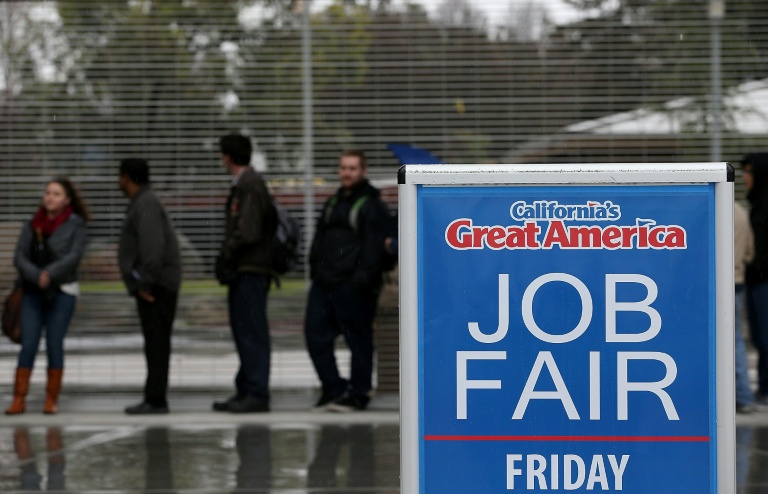
A new analysis looking at various aspects of the economy shows a labor market that looks stable on paper but feels punishing for many job seekers as unemployment remains relatively low, layoffs have not surged, and employers are still adding jobs. But hiring has slowed, workers are quitting less often, and job searches are stretching longer, creating what economists describe as a frozen market.
The report from The Washington Post shows that there is now roughly one job opening for every unemployed person looking for work, a sharp reversal from the worker-friendly hiring boom that followed the pandemic shutdowns. The Labor Department’s latest Job Openings and Labor Turnover report showed the job openings rate at 4.1% in March, with openings declining in professional and business services, one of the sectors many white-collar applicants target.



“It’s not weak; we’re just kind of sitting there,” Ron Hetrick, principal economist at Lightcast, told The Washington Post. The April jobs report reinforced that picture. Employers added 115,000 jobs, while the unemployment rate held at 4.3%, according to the Bureau of Labor Statistics. Job gains were concentrated in health care, transportation and warehousing, and retail trade, while federal government employment continued to decline.
That means jobs exist, but not always where workers want them. Health care and logistics are still hiring, but many recent graduates and white-collar workers are looking for openings where hiring has cooled.
Cory Stahle, senior economist at Indeed, described it to The Post as a “low-hire, low-fire market.” Companies are not shedding workers in huge numbers, but they are also not expanding aggressively. That leaves people who already have jobs reluctant to quit, because a search that once took weeks can now take months.
On April 29, the Federal Reserve held interest rates steady again and warned that developments in the Middle East were contributing to “a high level of uncertainty” for the economy. Elevated borrowing costs make expansion more expensive for companies, while geopolitical risk and higher energy prices can make employers more cautious.
The slowdown is also being shaped by the supply of workers. The labor force participation rate has weakened as baby boomers retire, fewer young people enter the workforce, and some discouraged job seekers stop looking. Immigration has also slowed sharply. Brookings estimated that net migration was likely close to zero or negative in 2025 for the first time in at least half a century, with uncertainty around the figures because of reduced data transparency.
The Post reported that people unemployed for six months or longer now make up about one-quarter of all unemployed workers. Long searches can hurt confidence, finances, and prospects, especially when hiring managers begin to view gaps as a warning sign instead of a symptom of a slower market.
Source link
#Job #Market #Stable #Workers #Feels #Frozen #Report