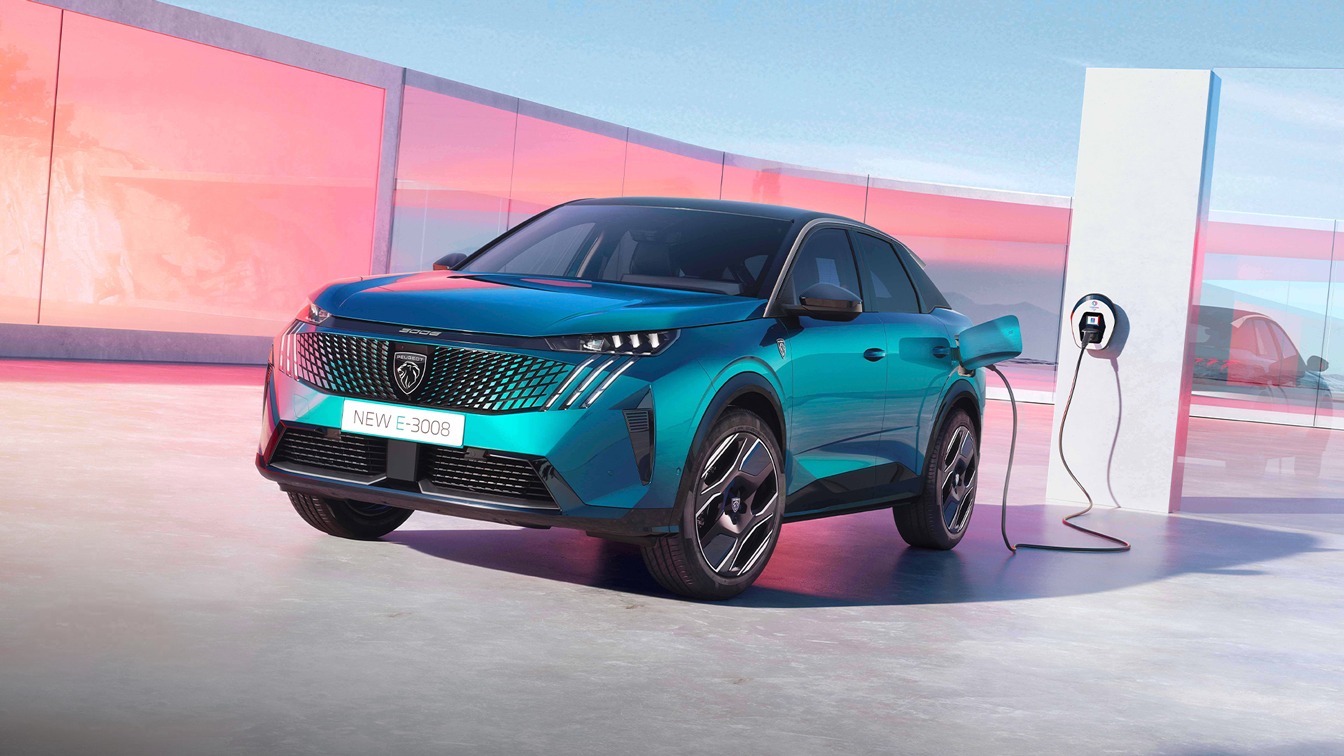
UK car sales jumped 24% in April, giving the market its strongest April since 2019 and taking the country past two million registered battery electric cars. The rebound looks healthy, but the finance story is more complicated: electric car demand still trails official targets just as cheaper models and Chinese competition start pushing prices lower.
SMMT ( Society of Motor Manufacturers and Traders ) now expects 2.093mn new car registrations this year, up from its January forecast of 2.048mn, yet it has cut its forecast for battery electric vehicles’ market share from 28.5% to 26.8% after a weaker first quarter. Overall demand is improving, while EV take-up is still not moving fast enough to match the pace set by policy.
Manufacturers are being squeezed from two directions. The UK’s zero-emission vehicle rules push car makers to sell more electric cars, while households still judge the decision through monthly payments, insurance, charging access and resale values. If buyers will not move quickly enough at current prices, car makers have to close the gap through cheaper models, discounts, stronger finance offers or lower RRPs.



April’s figures showed real momentum, with new registrations reaching 149,247, battery electric registrations rising 59% year on year, plug-in hybrids up 46.4%, hybrids up 18.8%, petrol cars up 8% and diesel down 1%. Passing two million battery electric cars is a serious milestone, but it does not remove the affordability pressure facing private buyers.Cheaper EVs may now shape the next phase of the market more than range improvements alone. Volkswagen has revealed the new ID. Polo, with reports putting the German starting price at €24,995, positioning it as one of the group’s more affordable electric models and a direct answer to cheaper rivals.Korean manufacturers are also moving into the same price fight. Kia’s chief executive said the company has narrowed its price gap with Chinese EV competitors in Europe to 15%–20%, down from 20%–25%, as Chinese brands expand across the region. BYD’s European registrations surged by nearly 150% in March, far outpacing the wider market and adding pressure on established car makers. EVs have often been sold as cheaper to run but more expensive to buy. If Volkswagen, Kia, Hyundai and others are forced to respond to Chinese pricing, the pressure may shift from households to manufacturers. Lower list prices and heavier incentives can help sales, but they can also eat into profit and weaken used-car values.
Private buyers still need the numbers to work before they switch. A battery electric car may be cheaper to run with home charging, especially when petrol and diesel prices rise, but a higher upfront price can make the monthly PCP or lease deal harder to accept. Buyers without home charging face a weaker case because public charging can reduce the saving.Higher fuel prices linked to the Iran war may push some drivers to look again at EVs, although higher energy costs and wider inflation pressure can make the same household more cautious about committing to a large purchase. Interest in electric cars can rise without turning immediately into full-price demand.Plug-in hybrids are benefiting from that hesitation. Their April rise suggests many buyers still want a halfway step: lower fuel use, some electric driving and less anxiety about charging. That helps manufacturers sell lower-emission cars today, but it slows the clean break from petrol and diesel that policymakers want.
Discounting creates another problem for dealers and finance companies. Cheaper new EVs help buyers now, but aggressive price cuts can drag down used EV values. That affects trade-ins, lease pricing and fleet residual values, which can make the economics of electric cars harder to manage even as headline sales improve.Fleet buyers have carried much of the EV transition so far through company cars, salary sacrifice schemes and tax incentives. Private buyers have moved more slowly because they feel the full purchase price, finance cost and charging uncertainty more directly. A healthier EV market needs more households buying electric because the deal works for them, not because fleets and manufacturers are pushing supply through the system.April’s rebound also needs context because the comparison was helped by a weak April 2025, when vehicle tax changes distorted the market. The 24% rise is still encouraging, but it does not prove that EV demand has reached a self-sustaining level across the whole market.UK car makers and importers now face a market that looks strong in total volume while becoming harder to steer towards electric targets. If buyers need lower prices to move, the cost falls somewhere: on manufacturers through discounts and compliance costs, on dealers through tighter margins, or on buyers through higher finance payments if list prices remain too high.
Britain’s wider industrial position is tied to the same outcome. Car makers want confidence that the UK can be a profitable EV market and manufacturing base. A country with ambitious targets but hesitant private demand becomes harder to serve, especially when Chinese rivals are pushing value harder and European brands are being forced to respond.SMMT chief executive Mike Hawes warned that the “mounting cost of compliance” could limit consumer choice, decarbonisation and the sector’s competitiveness. His warning is less about whether electric cars have a future and more about who pays when policy runs faster than natural demand.April’s figures support two readings at once. Buyers are still willing to spend when the product, price and finance offer are right, and EVs are now part of the mainstream market. At the same time, the cut to the EV share forecast shows that the transition still needs price support, policy pressure and manufacturer sacrifice.
UK car sales are recovering, but the next stage of the EV market may come from falling prices rather than rising enthusiasm alone. Volkswagen’s cheaper ID. Polo, Kia’s response to Chinese competition and BYD’s rapid European growth all point in the same direction: EVs are becoming a price fight, and that could reshape car makers’ profits as much as consumers’ choices.
More from Finance Monthly: LVMH Brand Sales Show Luxury Is Wearing Thin
Source link
#Car #Sales #Jump #Price #War #Builds