



New Delhi: India is sitting on a metabolic time bomb, and the liver is at its epicentre. With an estimated 40 per cent of the population affected by fatty liver disease, the condition has quietly evolved into one of the most pervasive non-communicable diseases.
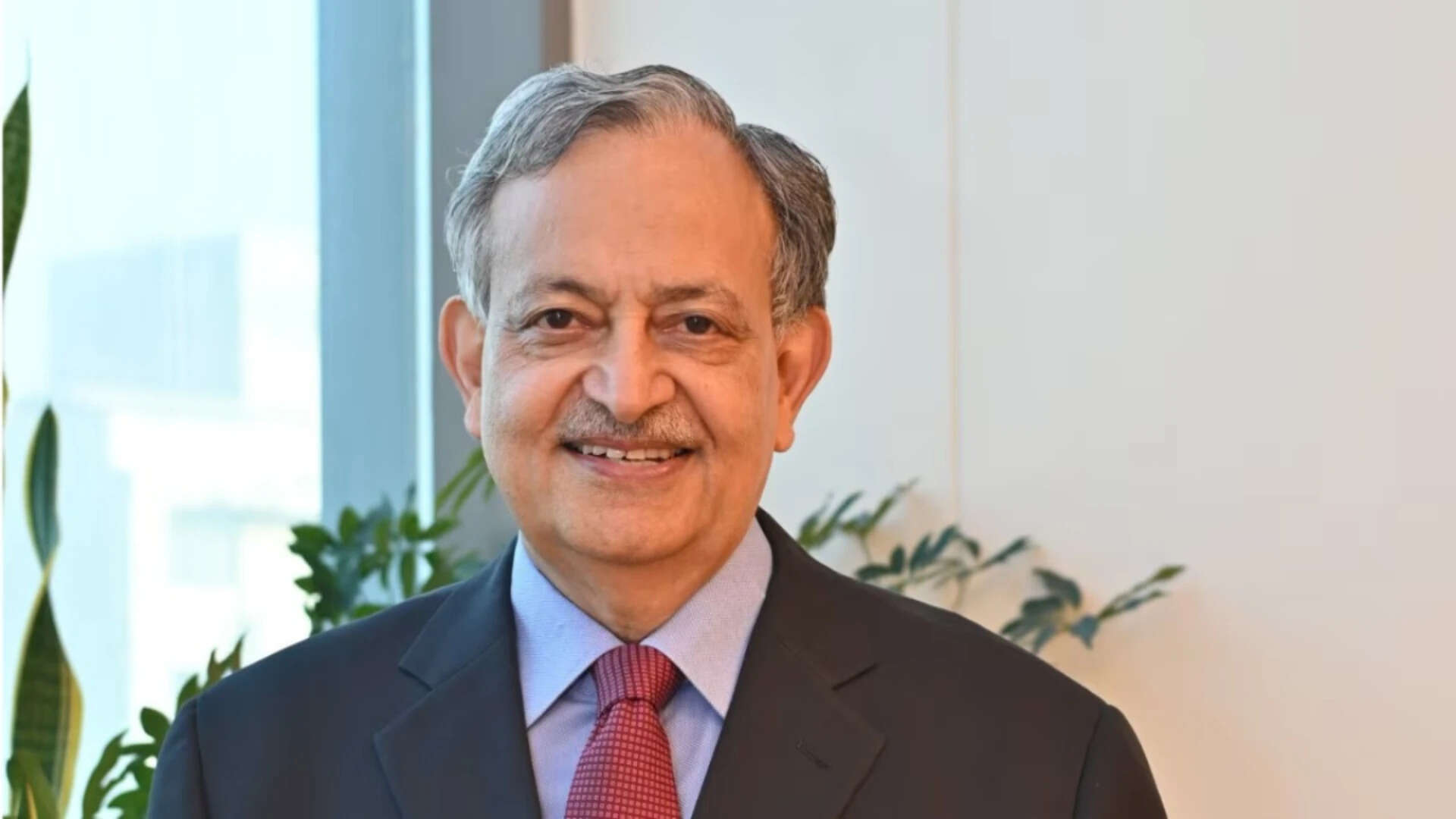
Speaking with ETHealthworld Correspondent Rashmi Mabiyan Kaur, Dr Shiv Kumar Sarin, Director at the Institute of Liver and Biliary Sciences (ILBS), highlighted that the implications go far beyond the liver itself.
Against this backdrop, a new class of metabolic drugs, GLP-1 receptor agonists has sparked both excitement and caution in hepatology circles.
“We are certainly underestimating the seriousness of the problem. Fatty liver is the core for development of diabetes, blood pressure, heart disease, stroke, kidney disease and several cancers,” Dr Sarin said.
The GLP-1 Promise: Beyond Weight Loss
Drugs like Semaglutide, originally developed for diabetes and obesity, are now being studied for their impact on liver fat and fibrosis. These therapies work by reducing appetite, improving insulin sensitivity, and promoting weight loss, key drivers in fatty liver disease.
Dr Sarin said, “I anticipate the emergence of combination therapies involving GLP-1, GIP, glucagon co-agonists, thyroid receptor agonists, and other related drugs such as FGF-based therapies. These approaches are likely to converge on a common goal—enhancing energy expenditure through pharmacological means to reduce body fat, liver fat, and fibrosis. While such treatments hold promise for managing early to moderate liver disease, their ability to reverse advanced fibrosis or significantly regenerate the liver remains limited. For now, it is important to remain optimistic about their potential, but also cautious about their current boundaries.”
Speaking about the limitations, he said, “If it is already an advanced disease, the chances that the drugs will work or reverse fibrosis is a long cry.”
In other words, timing is everything. GLP-1 therapies may help halt or slow progression, but reversing advanced liver damage remains a significant challenge. This makes early detection critical.
Who Should Get These Drugs?
One of the biggest concerns globally is the overuse of GLP-1 drugs as lifestyle substitutes. From a hepatologist’s perspective Dr Sarin takes a firm stance by saying, “These drugs are important but should be reserved for individuals who are unable to achieve health improvements through lifestyle changes alone.”
He identifies that ideal patients who stand to benefit the most are those with diabetes and obesity who are unable to lose weight despite standard interventions. They may also be valuable in individuals with early kidney impairment or mild cardiac dysfunction, as agents like Semaglutide have demonstrated benefits across these conditions.
While drug innovation is important, Dr Sarin emphasises that diagnostics not drugs will define the next decade of hepatology.
Lifestyle modification including diet, exercise, and weight loss must remain the first line of intervention. Those who can achieve results independently should not be placed on these drugs. At best, they should serve as adjuncts rather than the primary treatment, especially given the limitations around their long-term use, he said.
A Policy Blind Spot: Screening and Awareness
India has already taken a step forward by integrating fatty liver screening into its national NCD program in 2021. But implementation remains patchy. Dr Sarin advocated for a national fatty liver reduction initiative, combining public awareness with self-screening tools.
“The most important developments in hepatology over the next five years will be the integration of non-invasive tests into routine care and policy. Simple markers such as platelet counts and fibrosis indices like FIB-4—derived from basic blood tests like CBC and LFT, can help identify patients at risk; a score above 2.67 suggests a high likelihood of liver fibrosis. The inclusion of liver stiffness assessment through FibroScan should become a key policy priority to enable accurate and early diagnosis,” stated Dr Sarin.
Emphasising on better awareness Dr Sarin said, “Equally important is shifting the focus from weight to waist circumference as a practical marker of risk keeping it below 80 cm for women and 90 cm for men using a simple measuring tape. As a discipline, hepatology must adopt a multi-specialty approach, integrating diabetes, endocrinology, cardiovascular, and musculoskeletal care, with policy and practice increasingly addressing the full spectrum of metabolic diseases.”
One of the most striking insights is the need to rethink obesity itself. This is particularly relevant in India, where many individuals with normal weight still develop fatty liver a phenomenon known as “lean NAFLD.”
The Bigger Picture: A Multi-System Disease
Fatty liver is no longer just a liver condition it is a metabolic disorder with systemic consequences.
GLP-1 therapies like Semaglutide represent a significant advancement in the management of fatty liver disease but they are adjuncts, not replacements for lifestyle change.
The real opportunity lies in catching the disease early, empowering individuals with self-screening tools, and embedding liver health into national health narratives shifting the focus from reactive treatment to proactive prevention at both individual and system levels.
As Dr Sarin puts it, “If fatty liver is diagnosed early, there is a strong possibility that we can prevent all these non-communicable diseases, including cancers.”

Source link
#Indias #Silent #Liver #Epidemic #GLP1s #Wont #Bend #Curve