

According to certain reports, the waiting period for a Green Card for Indians has stretched to between 30 and 40 years.

Updated: April 21, 2026 11:58 PM IST
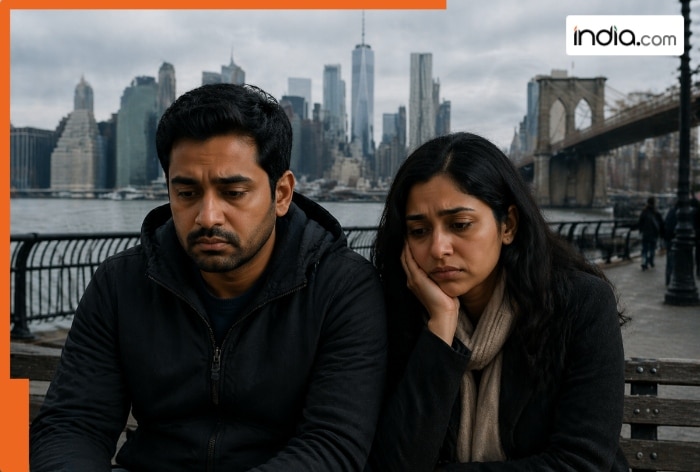
New Delhi: It was a dream—the “American Dream”, which millions of Indians chased and made their way to America. However, a new survey from the Carnegie Endowment has now emerged, stating that “4 out of every 10 Indian-Americans are contemplating leaving the United States.” Why? Has their dream been shattered? And if they do leave, where will they go?
Until recently, those who once dreamed of earning in dollars and settling in Silicon Valley now see every fourth person among them contemplating packing up their bags and leaving. The 2026 report by the Carnegie Endowment for International Peace has stunned the entire world. After all, what exactly has happened in America—the nation hailed as a superpower—that has led 40% of Indians to now want to flee the country?
The 2026 Survey That Sent Shockwaves
Data released by the Carnegie Endowment for International Peace between February and April 2026 indicates that the Indian-American community is currently navigating a period of “turbulence”—a phase of instability. According to the survey, approximately 40% of Indian-Americans are now seriously considering leaving the United States. This is no small figure. We are speaking of a community that, despite constituting a mere 1.5% of America’s total population, contributes a staggering 6% to the nation’s tax base; yet today, this “most successful minority group” feels betrayed.
Political Disillusionment and Trump’s Second Term
Among those contemplating emigration, 58% cited the “political climate” as the primary reason. Polarization has intensified significantly during Donald Trump’s second term. A full 71% of Indian-Americans express dissatisfaction with Trump’s performance. Experts believe that a perceived decline in religious inclusivity and a diminishing sense of belonging have left the Indian community feeling deeply unsettled. Political analysts suggest that certain policies of the Trump administration have conveyed the message that “America is for Americans only,” thereby raising questions among Indians regarding their own identity.

Eroding Trust in the Democratic Party
Interestingly, Indians are no longer the “staunch” voters for the Democratic Party that they once were. While 52% of Indians identified themselves as Democrats in 2020, that figure has now dropped to 46%. The Republican Party, too, has been unable to sway them to its side, with its support base remaining stagnant at 19%. Consequently, 30% of Indians are now gravitating toward an “Independent” or non-partisan political ideology. It is believed that the Indian community is no longer making decisions based on party affiliation, but rather on the basis of their own “livelihood, family ties,” and “security.”
Endless Labyrinth of Immigration and the Wait for a Green Card
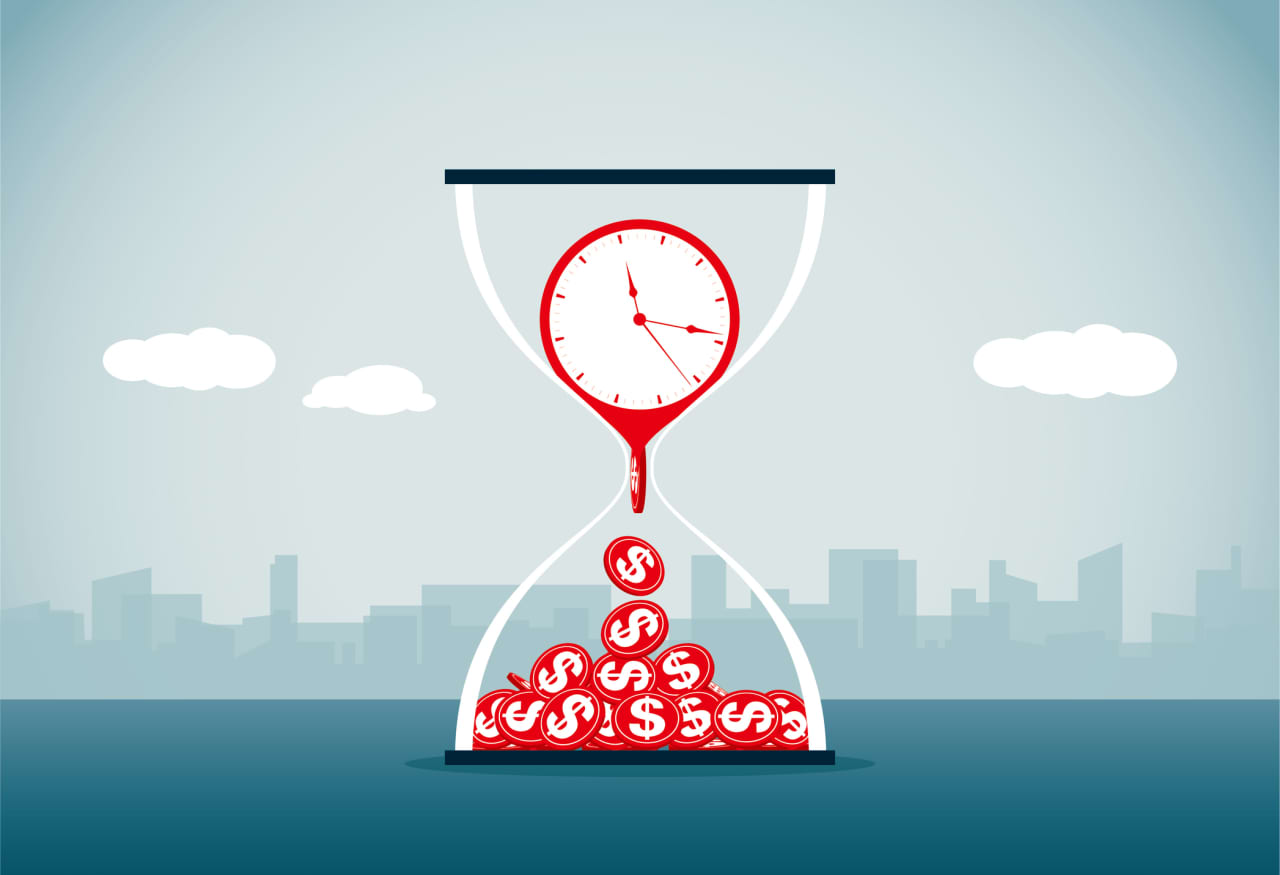
If you are an Indian software engineer, obtaining a Green Card in the U.S. now feels akin to serving a “life sentence.” According to certain reports, the waiting period for a Green Card for Indians has stretched to between 30 and 40 years. The uncertainty surrounding H-1B visas—coupled with the constant anxiety regarding immigration paperwork at every step—prevents families from truly settling down. Policy experts in Washington believe that America’s “broken immigration system” is the primary factor driving talented Indians to seek opportunities in Canada or Australia instead.
Dysfunctional Immigration System and Very Long Wait
Perhaps the single greatest reason for the growing disillusionment among Indian Americans is the harsh reality of the country’s dysfunctional immigration system. On April 15, 2026, the U.S. Department of State released its Visa Bulletin for May 2026, which painted a deeply disheartening picture.
For the EB-2 category—designated for skilled workers holding advanced degrees—the cutoff date remains stalled at July 15, 2014. For the EB-3 category—specifically for “Other Skilled Workers”—the cutoff date currently stands at November 15, 2013.
This means that individuals who applied for a Green Card back in 2013–14 are still waiting. According to GCReforms.org, in certain categories, this wait could extend up to 70 years. This distressing reality was starkly evident in a Carnegie survey, which highlighted Green Card wait times stretching to 30–40 years. By the time a Green Card is finally granted, the applicants’ children will have grown up; indeed, some applicants may well have retired by then. An April 2026 report by VisaHQ notes that immigration attorneys in Bengaluru and Hyderabad describe employment-based queues as being “structurally static.”
Source link
#Indians #leave #shattered #American #Dream