New Delhi:



India-Iran oil ties could be revived, even if temporarily, this week amid the war if a tanker carrying an estimated 600,000 barrels of Iranian crude docks at a Gujarat port on April 4.
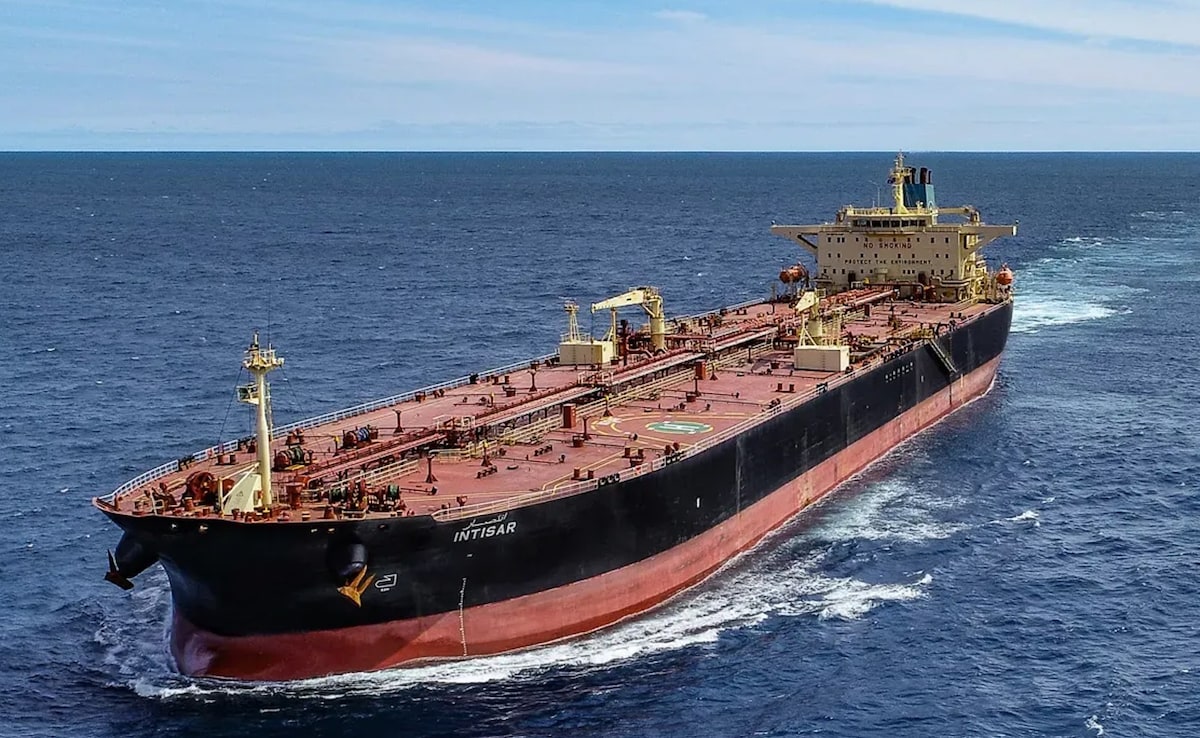
The Eswatini-flagged Ping Shun, is en route from Iran’s Kharg Island oil stores – the reported target of a US ground invasion in its war on Iran – to Vadinar. The buyer’s identity is unclear but Vadinar is home to a large refinery run by Russia-backed Nayara Energy.
It is also the distribution point to send crude to hinterland refineries like in Madhya Pradesh’s Bina, which is run by state-owned Bharat Petroleum Corporation Ltd.
A word of caution, though.
Vessel tracking data from market analytics firm Kpler says Gujarat is the final destination but this could change. Dark fleet tankers – i.e., those carrying sanctioned oil – frequently list one port and then change the entry mid-journey to avoid detection.
READ | Inside Russia’s Shadow Fleet: How Sanctions-Evading Tankers Operate
Either way, the shipment is one of a handful Tehran waved past its blockade on the Strait of Hormuz – which shipped 20-25 per cent of global crude, pre-war. And, if it does indeed dock at Vadinar in Gujarat, this will be the first time India has bought crude oil from Iran since May 2019, when sanctions by the United States and other western nations snapped supply.
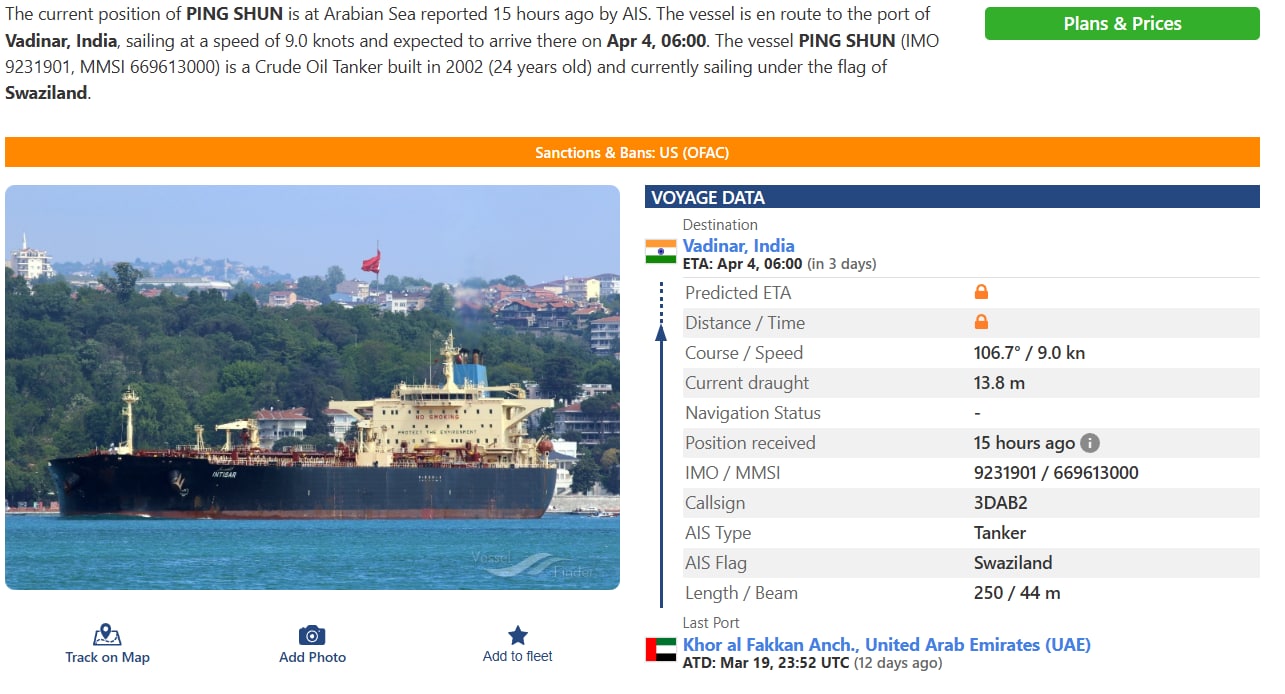
Ping Shun tracking data.
If India has purchased this shipment, it has done so on the back of Washington offering a 30-day waiver (which expires April 19 and covers pre-loaded cargo only) of those sanctions in light of global energy disruptions due to its war on Iran.
“The Indo-Iranian oil trade has flickered back to life … this comes at a critical time for Indian refiners facing tightening inventories (because of war-related disruptions to crude exports from Gulf nations),” Sumit Ritolia, a Kpler analyst, said.
And, if confirmed, it underscores a Delhi-Tehran relationship, particularly at a time when the latter has few friends in the global community and needs funds to rebuild and re-arm its military and repair war-time damage to civilian and energy infrastructure.
But there is no confirmation on payment mechanisms – again, if India is the final destination – since Iran remains excluded from the global SWIFT banking network for dollar or euro payments. For pre-sanction deals Iran was paid in rupees; refineries would deposit this in an Indian bank Tehran uses to pay for imports from India, like food and medicines.
Turning back the clock: pre-2019 oil ties
Pre-sanctions, specifically in the 2000s and 2010s, Iran was a major crude supplier.
Reuters data showed Iran’s share of Indian crude imports crossed 16 per cent in 2008; this was while 2006 UN Security Council resolutions and US sanctions were active but lacked full bans on oil exports. As international restrictions bit, India purchases fell to 7.3 per cent by 2013.
The 2015 nuclear deal – the Joint Comprehensive Plan of Action signed by the US and Iran, and a host of other countries, when Barack Obama was president – revived India-Iran crude trade.
Reuters said New Delhi bought an estimated 500,000 barrels a day in March 2016 and by 2017 Iran was India’s third-largest crude supplier, with imports averaging at 400,000 bpd for the year.
Purchases were high through 2018; in fact, a record 705,000 bpd was bought in May that year.
Things began unravelling after the US’ withdrawal from JCOPA in 2018 – in Donald Trump’s first term. India negotiated a temporary waiver then too and used the window to trim imports.
After 2019?
The 2019 waivers ended on May 2.
The last official shipment of Iranian crude arrived days earlier – in April. In the months preceding, i.e., January to March, India shipped a significant volume – about a million tonnes.
Officially, no crude was purchased from Iran after that date.
More to come?
The Iran war-linked US waiver is for Iran crude already at sea.
This covers an estimated 95 million barrels, of which around 51 million could be sold to India and the rest, possibly, to China or other southeast Asian nations similarly affected by the war.
With input from agencies
Source link
#Iran #Crude #Return #Tanker #Carrying #Barrels #Signals #Gujarat #Port