

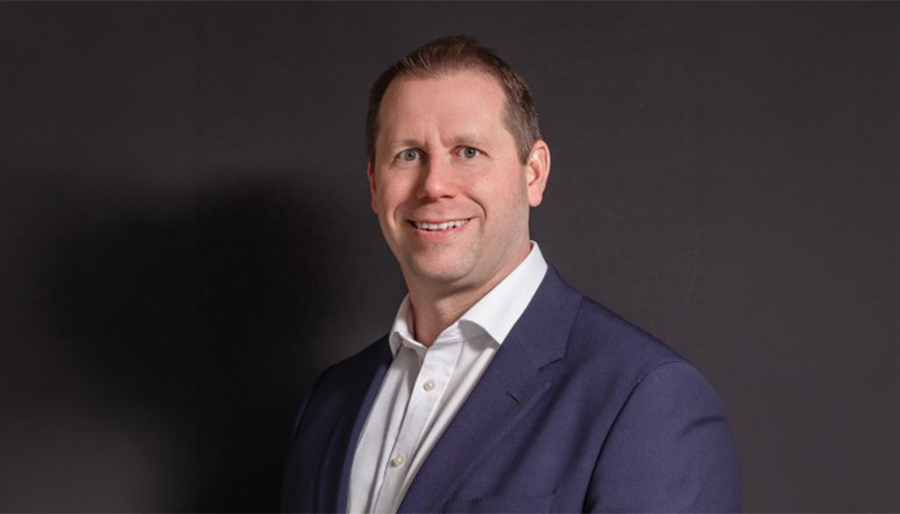
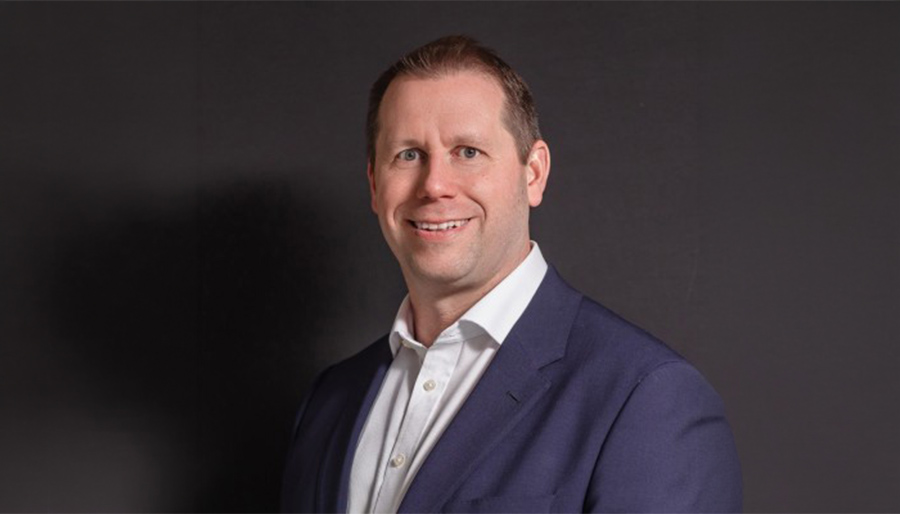
Having joined Goodman Jones more than 25 years ago as a trainee and now a year into his role as managing partner, Matthew Cook has witnessed significant change across the accountancy profession. He reflects on the experiences that shaped his leadership approach, the opportunities and uncertainties surrounding AI, and why developing people remains central to the future of the profession.

Looking back, what have been the most pivotal moments from your career that have shaped your leadership approach?
I joined Goodman Jones straight from university and have been fortunate to enjoy the work and the client relationships from the very beginning. In fact, some of the clients I worked with as a trainee are still clients of the firm today, which says a lot about the importance of long-term relationships in our profession.
A particularly significant influence on my development was working closely with our former Managing Partner Larry Phillips. For many years, I spent the majority of my time working alongside him and had the opportunity to observe first-hand how he led the firm. At the same time, I worked with other partners who each brought different strengths and perspectives. One of the most valuable lessons was learning that effective leadership is about recognising the best qualities in others and bringing those together in your own approach.
I’ve also always had a strong interest in technology. Long before becoming managing partner, I was heavily involved in the firm’s IT strategy, helping to develop our technology capabilities and team. That experience has proved particularly valuable today, when technology and AI are becoming increasingly important considerations for every professional services firm.
You’re now a year into your role as managing partner. What’s been the biggest lesson so far?
The biggest lesson has been just how important people are to the success of the business. Of course, every leader says that, but when you’re in the role, you see it every day. The more effectively people work together, the stronger the firm becomes. Creating an environment where people can develop, enjoy their work and build successful careers isn’t simply a cultural objective – it’s fundamental to delivering great outcomes for clients as well.
One thing that’s become particularly clear is that no matter how much technology evolves, professional services remains a people business. If you invest in your people and create the right culture, everything else tends to follow.
The profession is evolving rapidly through regulation, technology, talent expectations and AI. Which change do you think firms may be underestimating?
The pace of change around AI is certainly attracting the most attention, but I think many people are underestimating how difficult it will be to integrate these technologies effectively into professional services.
There’s a lot of commentary suggesting AI will transform everything overnight or even replace large parts of the profession. When you look at the reality of the tools currently available, they’re certainly impressive, but they’re not yet delivering the kind of fully autonomous capability that some headlines suggest.
For firms like ours, the challenge isn’t just adopting AI. It’s understanding where it genuinely adds value, ensuring it operates securely and responsibly, and integrating it into existing workflows without compromising quality or professional judgement.
How do you see AI reshaping accountancy and advisory firms over the next five years?
AI will undoubtedly change parts of the profession, particularly repetitive and process-driven tasks. We’re already seeing benefits through tools that improve productivity, whether that’s summarising meeting notes, drafting documents, analysing information or supporting routine administrative work. Those developments make people’s jobs easier and free up time for higher-value activities.
Where I see the biggest impact initially is in areas such as basic bookkeeping and transaction processing. Structured, repeatable work is naturally more suited to automation.
However, much of the work we do involves advisory services, tax planning, audit judgement and helping clients navigate complex situations. Those areas require context, experience, critical thinking and human interaction. I think the adoption curve will be slower there than some commentators predict.
Firms that use AI well can become more efficient and spend more time focusing on client relationships and strategic advice but the challenge will be ensuring technology enhances professional expertise rather than replacing the development of it.
One concern often raised is the impact of AI on talent pipelines. How do you see that challenge?
Traditionally, firms recruit trainees, give them exposure to foundational work and gradually help them build the experience needed to become trusted advisers and future leaders. If AI removes too much of that early-stage work, we need to think carefully about how future generations gain the skills and judgement that the profession depends on.
I don’t think the answer can simply be a small group of senior people overseeing work generated entirely by technology. Professional services relies on developing talent over time.
At Goodman Jones, we’ve always taken pride in training people and helping them build successful careers, whether they stay with us long term or move on to other opportunities. Maintaining that commitment to development will be essential if the profession is to thrive in the years ahead.
As technology continues to evolve, what skills and qualities will be most important for the next generation of accountants and advisers?
Without question, relationship-building and communication skills.
Technical expertise will always matter, and professionals will increasingly need to be comfortable working alongside technology. But the people who tend to succeed are those who can build trust, communicate effectively and develop strong relationships with clients and colleagues.
One piece of advice I’d give younger professionals is not to rely solely on emails, messages and digital communication. Pick up the phone, start the video call, have the conversation. Those interactions are where relationships are built.
Ultimately, clients want advisers they trust. The stronger your relationships, the better you understand their challenges and the more value you can provide. That’s something technology can support, but it can’t replace.
Source link
#Goodman #Jones #Matthew #Cook #explains #people #remain #accountancys #greatest #asset





