


We may receive a commission on purchases made from links.
I’ve been reading C.S. Lewis’ “The Chronicles of Narnia” books for 25 years. I’ve always respected the enduring achievement of the books, and I think it makes sense that Greta Gerwig is terrified to direct the new Narnia movies. But there’s one fella (whom I also respect a lot) who really didn’t like the Narnia experience: Lewis’ close friend, J.R.R. Tolkien. Tolkien didn’t just dislike Narnia, though. He thought it was nuts. An affront to fantasy.
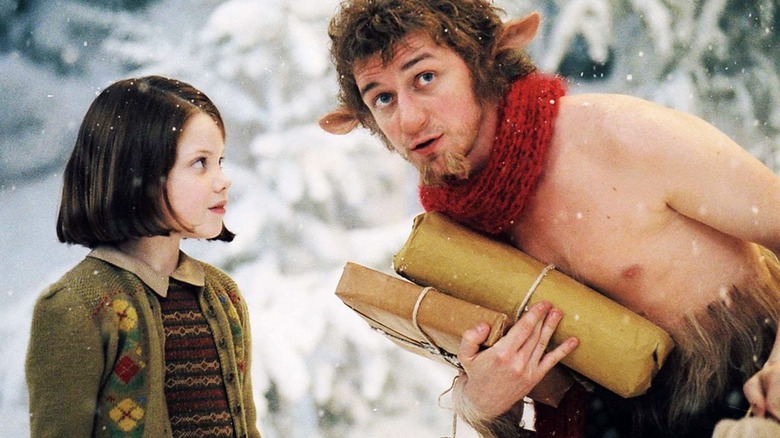
The book “C.S. Lewis: A Biography” recounts Tolkien’s words about Lewis’ creation: “It really won’t do, you know! I mean to say: ‘Nymphs and their Ways, The Love-Life of a Faun.’ Doesn’t he know what he’s talking about?” Lewis and Tolkien were in the same literary group at Oxford University, known as the Inklings. I don’t think Tolkien hated Lewis’ actual writing abilities. Really, the focus of his ire was the chaotic accumulation of mythical beings into the same context.
In an interview in 2005, just days after Disney and Walden Media released the movie adaptation of “The Lion, the Witch and the Wardrobe,” Wheaton College Professor of Literature Alan Jacobs summarized (via NPR) Tolkien’s view on this mythological smorgasbord thusly:
Tolkien was horrified. He thought it was a terrible book, and what he especially disliked about it was the way that it ransacked all sorts of different mythologies. You know, here are fauns and centaurs over here, and then there are elements of the Christian story over here and then — Whoa! — here comes Father Christmas. And that was just maddening to Tolkien because he loved for imaginative worlds to be completely consistent and coherent and not to bleed into other imaginative worlds. And so it just set his teeth on edge.
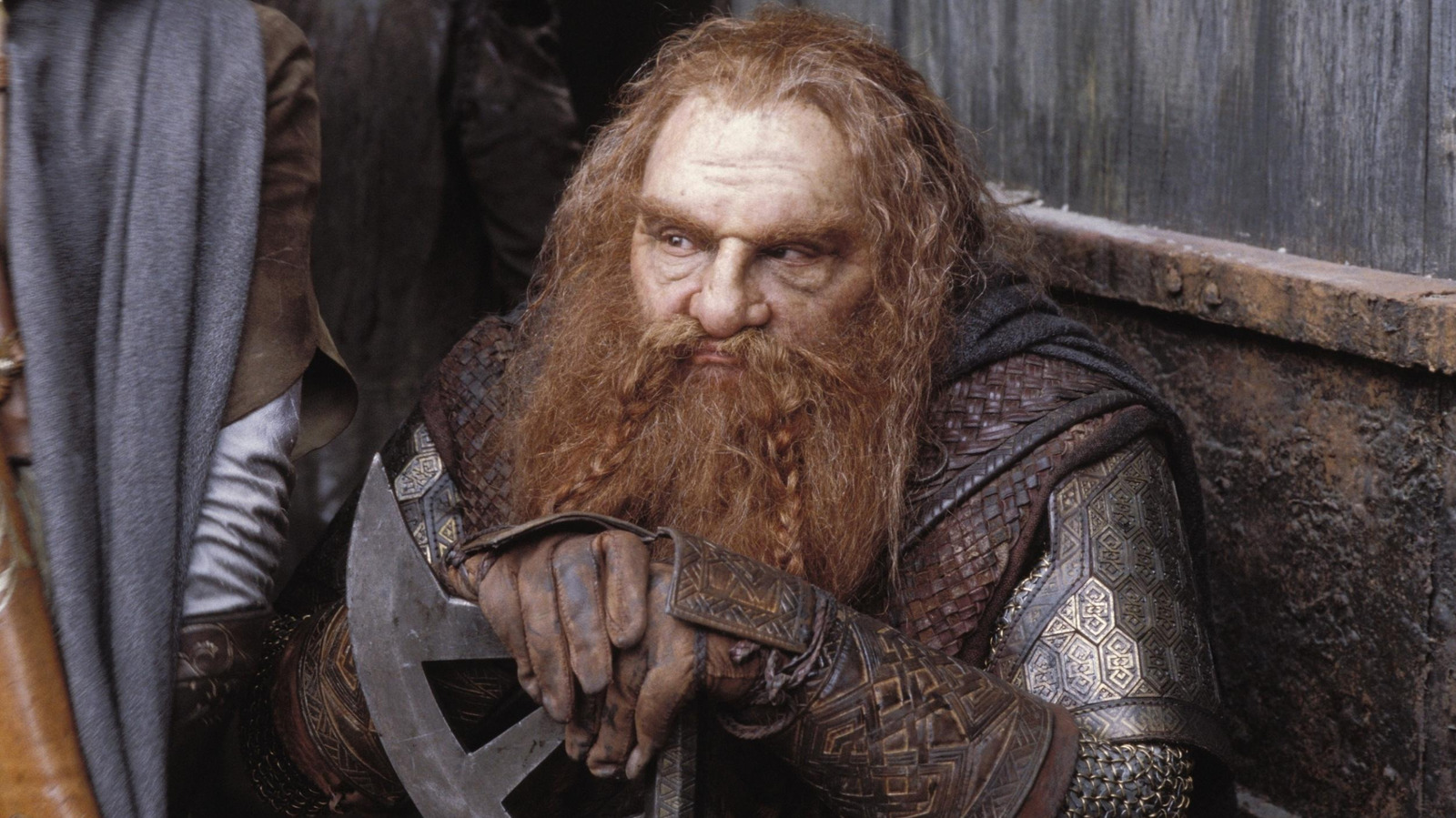
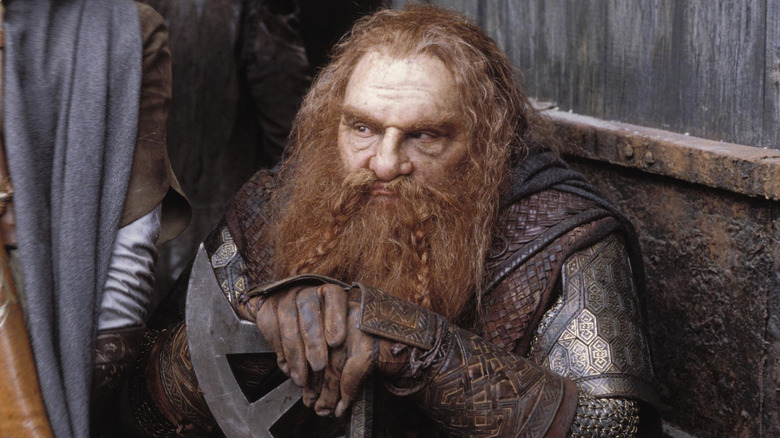
J.R.R. Tolkien was a fantasy purist
I won’t wade into the nuances here in this short of a space. Suffice it to say, J.R.R. Tolkien was a textbook purist. I don’t mean that as an insult to the Oxford Professor. The guy just had really, really high standards, and he didn’t like to see his mythologies overlap. And he was a critic, too; he didn’t mince words about the first “Lord of the Rings” adaptation back in the 1950s.
Tolkien seems to have been similarly critical of his own writing. He published “The Hobbit” and “The Lord of the Rings” in his lifetime, but most of his other books — like “Unfinished Tales” and “The Silmarillion” — were assembled and published by his son Christopher after his death. There were a ton of different versions of a lot of these stories, too, and Christopher would often have to explain how they changed and why he picked the version he did for the official publication.
Ironically, C.S. Lewis is often attributed as a driving force behind convincing Tolkien to publish his Middle-earth books, which Lewis appears to have enjoyed. The pair were partners in fantasy-writing crime in a certain sense. Tolkien even mentioned in a letter to a fan in 1955:
C.S. Lewis said to me long ago … “if they won’t write the kind of books we want to read, we shall have to write them ourselves; but it is very laborious.”
Clearly, both authors succeeded, but their opinions of each other’s greatest hits weren’t quite the same.
Source link
#Lord #Rings #Author #J.R #Tolkien #Thought #Chronicles #Narnia #SlashFilm