

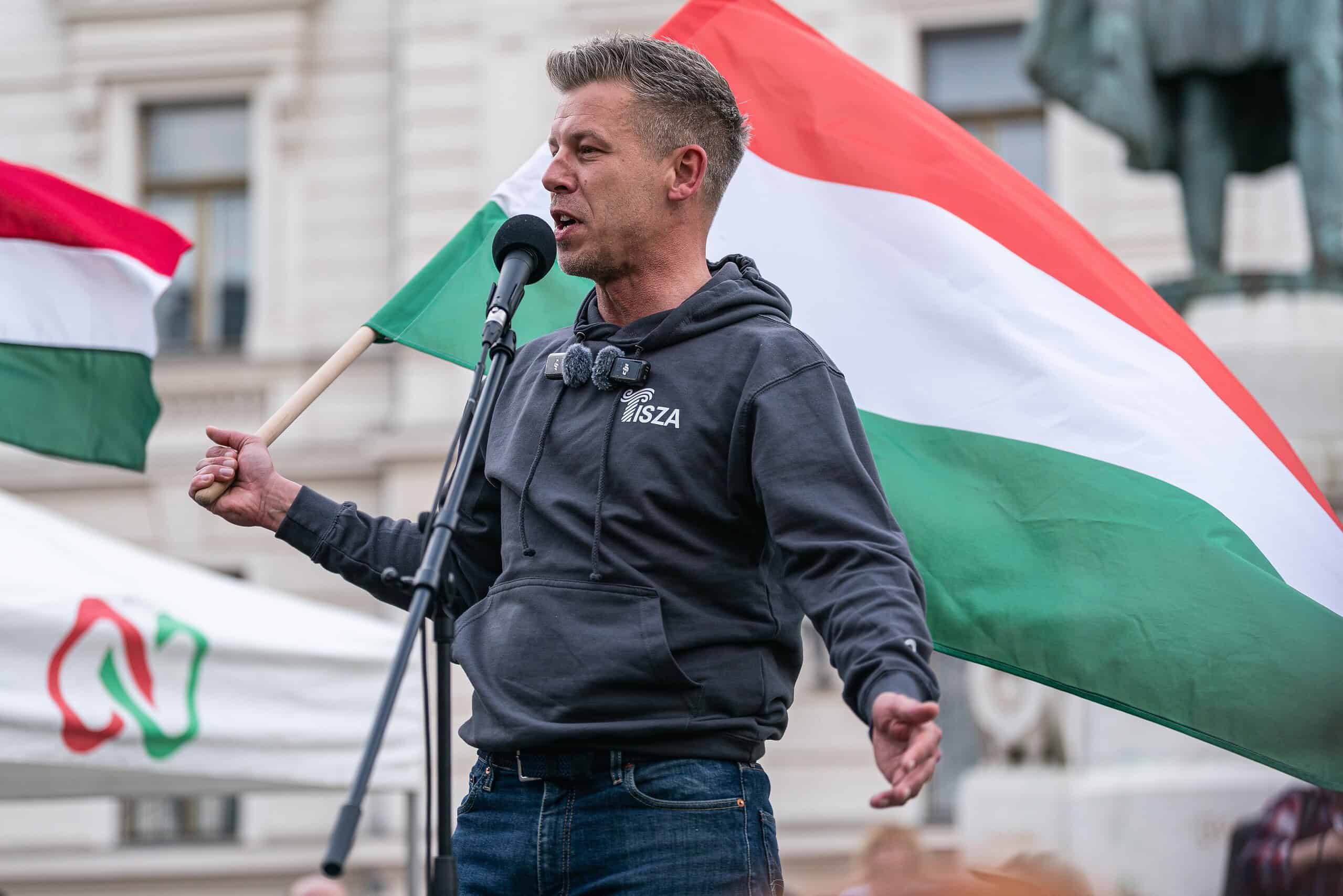
Hungary’s state-heavy ‘Orbánomics” is officially over. Enter Péter Magyar, who wishes to ‘mend relations’ with the EU.



Now that Péter Magyar has taken office as Hungary’s new prime minister, he will look to András Karman, his nominee for finance minister, to execute a rapid fiscal pivot, dismantling 16 years of state-heavy “Orbánomics” and restoring investor confidence in the Central European hub.
Real GDP is expected to grow by 1.7% to 2.3 % this year, with average consumer prices rising 3.8% and the unemployment rate at 4.2%, according to the International Monetary Fund’s April World Economic Outlook.
The outgoing government of Viktor Orbán did not give Karman much to work with, as the first-quarter cash-flow deficit reached 3.4 trillion forints ($11.3 billion). At 80% of the full-year target, leaving the incoming administration with negligible fiscal headroom.
“[Former Prime Minister Viktor] Orbán has always regarded fiscal order as equal with neoliberal ideology or austerity attitude, or ‘something the Left does in office,’” says Péter Ákos Bod, professor emeritus in the Department of Economic Policy at Corvinus University of Budapest and former governor of the Central Bank of Hungary.
Path to Stabilization
Growth is picking up after a three-year post-pandemic stall. Fitch Ratings now projects GDP to rise by 2.3% this year and 2.6% in 2027, driven by a rebound in domestic demand and heavy investment in the auto and battery sectors.
However, fiscal risks persist. While inflation is cooling toward 3.5%, the deficit widened to 5% last year and is expected to hit 5.6% in 2026. This “fiscal slippage” led Fitch to issue a negative Sovereign Outlook in December, signaling the narrow window Karman has to stabilize the books.
A life-long banker, Karman’s immediate task will be to free approximately €17 billion in EU Cohesion Funds and a Recovery and Resilience Facility, which have been frozen since late 2022.
“While the funds ostensibly hinge on meeting 27 ‘super milestones’ around judicial independence, anti-corruption, and procurement transparency,” said Sili Tian, a Central and Eastern Europe analyst at the Economist Intelligence Unit. “We expect a relatively quick disbursement as Mr. Magyar seeks to quickly mend relations with the EU.”
That may be difficult to achieve, he said, as many Orbán loyalists are entrenched across the bureaucracy, the tax authority, the judiciary, and Hungary’s largest enterprises, some with tenure into the 2030s.
Longer-term goals, such as exiting the EU’s Excessive Deficit Procedure, will require Hungary to reduce its budget deficit and its debt-to-GDP ratio. The process will likely take longer than the incoming government’s four-year term.
Justin Keay contributed to this article.
Source link
#Hungarys #Picks #Finance #Chief #Lead #Recovery





