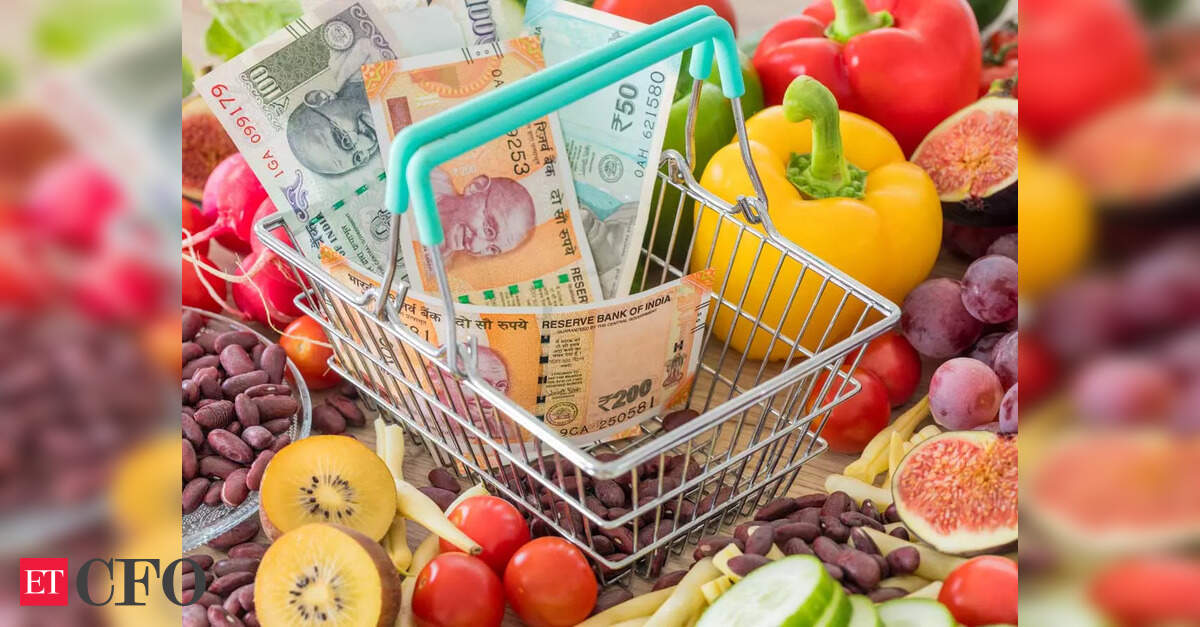



India’s retail inflation quickened to a thirteen-month high of 3.8% in April from 3.4% a month earlier, inching closer to the Reserve Bank of India’s 4% target as a boost in food prices began feeding into household costs.
A Reuters poll had projected retail inflation at 3.8%.
India has retained its retail inflation target at 4% (within a 2%–6% band) for the five-year period from 1st April 2026 to 31st March 2031.
India’s retail inflation had climbed to 3.4% in March from 3.21% in February, as rising food and energy costs — fuelled partly by tensions in West Asia — pushed consumer prices higher
Retail food inflation rose to 4.20% in April from 3.87% in March, with rural food inflation accelerating faster than urban areas. Among key categories, personal care and miscellaneous goods recorded the sharpest inflation at 17.66%, while transport inflation remained flat at -0.01%, reflecting softer fuel-linked costs.Vegetable prices remained mixed.
Potato inflation stayed deeply negative at -23.69% and onion at -17.67%, while tomato prices surged 35.28% year-on-year in April.
“The April inflation reading came in softer than expectations. However, the outlook remains clouded with upside risks amid supply side disruptions from geopolitics and ElNino. We expect RBI to remain on a wait and watch mode for now to assess the pass through of the risks. However, the risks for early rate hikes (probably from October onwards) are building up,” said Upasna Bhardwaj, Chief Economist, Kotak Mahindra Bank.
India moved to a new series with a revised basket of goods and a new base in January 2026.
India’s inflation outlook is turning increasingly fragile as elevated global crude prices begin seeping deeper into the domestic economy, threatening to lift fuel, transport and household costs in the world’s third-largest oil importer.
Beyond Inflation
The pressure is not limited to inflation alone. Costlier oil imports risk widening India’s current account deficit, straining external balances and exerting fresh pressure on the rupee, even as concerns over a potentially deficient monsoon raise fears of higher food prices in the months ahead.
Food inflation accelerated to 4.2% in April from 3.87% in March, signalling that price pressures are beginning to broaden beyond energy-linked categories.The strain has already spilled into currency markets. The Indian rupee sank to a record low of 95.7375 on Tuesday, taking losses since the Iran war broke out to nearly 5%.
Amid mounting concerns over rising import bills and foreign exchange outflows, Prime Minister Narendra Modi has called for austerity measures aimed at conserving fuel and reducing pressure on foreign exchange reserves.
So far, the Reserve Bank of India has kept interest rates unchanged, helped by relatively moderate headline inflation. But economists warn that a prolonged rise in fuel and food prices could sharply reduce the central bank’s room for future policy easing — and potentially revive the conversation around rate hikes later this year. (With inputs from Agencies)

Source link
#Indias #retail #inflation #edges #April #food #prices #firm