

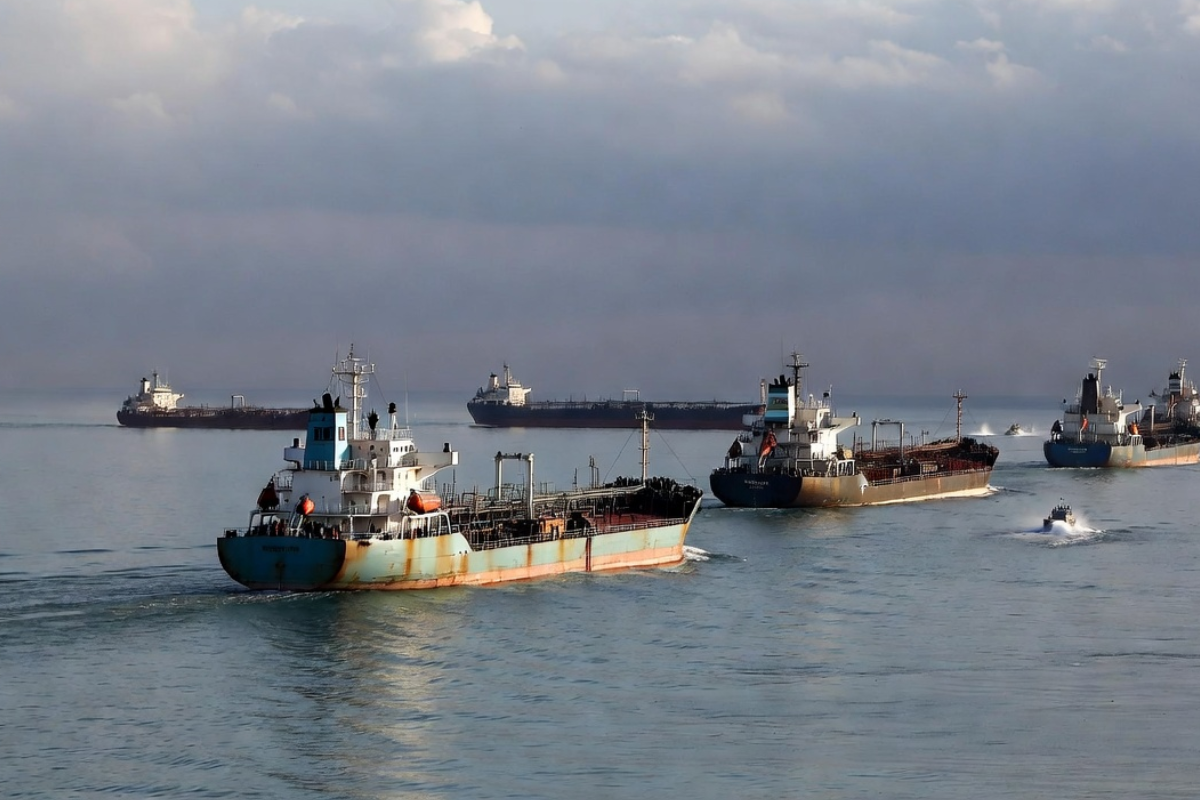
Roughly a fifth of the world’s traded oil passes through the Strait of Hormuz. Analysts warn that any sustained disruption could send crude towards $100 and jolt the global economy.
The Strait of Hormuz is just 33 kilometres wide at its narrowest point. Yet about 13 million barrels of crude flow through it daily — roughly 31% of global seaborne oil.


That concentration makes it one of the most strategically sensitive chokepoints on Earth.
As tensions with Iran increase, global energy markets are on high alert, with the effective closure of the Strait of Hormuz sending Brent crude futures surging to $85.12 per barrel.
While the US Central Command (CENTCOM) maintains that the international shipping lanes are legally open, a near-total collapse in commercial traffic has occurred as insurers withdraw war-risk coverage and freight rates for Very Large Crude Carriers (VLCCs) double in under 48 hours.
Energy analysts at Wood Mackenzie and MST Marquee warn that if the blockade persists beyond a few days, oil prices will likely breach the $100 threshold, potentially reaching $120. This would mirror the 300% price surge seen during the 1973-1974 Arab Oil Embargo, a shock that redefined the modern global economy.
The World’s Most Sensitive Chokepoint Under Siege
The Strait of Hormuz remains the single most critical artery for global trade, handling roughly 21 million barrels of crude, condensate, and refined products daily. This represents approximately 20% of global daily oil consumption and 21% of seaborne energy imports outside the Gulf. By 3 March 2026, daily tanker transits had plummeted from an average of 24 vessels to just four, with the majority of those ships being Iran-flagged.
Geographically, the strait is a narrow corridor between Iran and Oman, with shipping lanes barely three kilometres wide in each direction. This concentration makes the waterway uniquely vulnerable to the IRGC’s arsenal of sea mines, fast-attack boats, and drones. On 1 March, tanker flows plunged by 86%, leaving over 700 vessels—including 334 crude tankers—clustered on either side of the chokepoint, awaiting security clearance that has yet to arrive.
Market Experts Warn Of Compounding Supply Shocks
Energy consultancy Wood Mackenzie suggests that the current situation creates a ‘dual supply shock.’ Unlike previous disruptions, this closure blocks not only current exports but also the spare capacity of OPEC+ members like Saudi Arabia, the UAE, and Kuwait. While alternative routes such as Saudi Arabia’s East-West pipeline to the Red Sea exist, they cannot compensate for the total loss of the 21 million barrels typically moving through Hormuz.
JP Morgan Global Research has noted that while Brent crude was trading near $60 earlier in the year, the ‘geopolitical risk premium’ has now added nearly $25 to the price. Analysts argue that a prolonged disruption would force Asian markets—which receive nearly 90% of Hormuz crude flows—into a desperate competition with Europe for alternative supplies. Goldman Sachs estimates that a month-long halt could cause European gas prices to double, surpassing €65/MWh, as QatarEnergy’s LNG exports are effectively stranded.
The Dreaded Return To 1970s Style Stagflation
The historical analogue of the 1970s energy crisis looms large over current projections. In 1974, oil prices surged to $12 per barrel, which Wood Mackenzie analysts equate to roughly $90 in 2026 terms. Eclipsing this level seems ‘very achievable’ if the conflict involving the US and Israel drags into a multi-week blockade.
For energy-importing nations like India, which sources 55% of its crude from the Middle East, the risks are existential. While Japan and South Korea maintain over 200 days of strategic reserves, India’s effective inventories may only cover 20 to 25 days under current refinery conditions. A sustained $100 oil price would likely add 0.7 percentage points to global inflation, complicating the US Federal Reserve’s efforts to manage interest rates and potentially triggering a global recession.
Why It Matters Beyond Oil
Higher crude prices typically feed quickly into petrol, diesel and aviation fuel costs. That pushes up transport expenses and fuels inflation.
For energy-importing economies in Europe and Asia, a supply squeeze could widen trade deficits and slow growth. Central banks might face renewed pressure to keep interest rates elevated.
Even without a total closure, increased insurance premiums for tankers and elevated security risks can raise shipping costs. That alone can tighten supply conditions.
LNG markets could also react sharply. Analysts warn gas prices might revisit the record highs seen in 2022 if cargoes are disrupted.
Originally published on IBTimes UK
Source link
#Strait #Hormuz #Closure #Threatens #Oil #Global #Energy #Shock




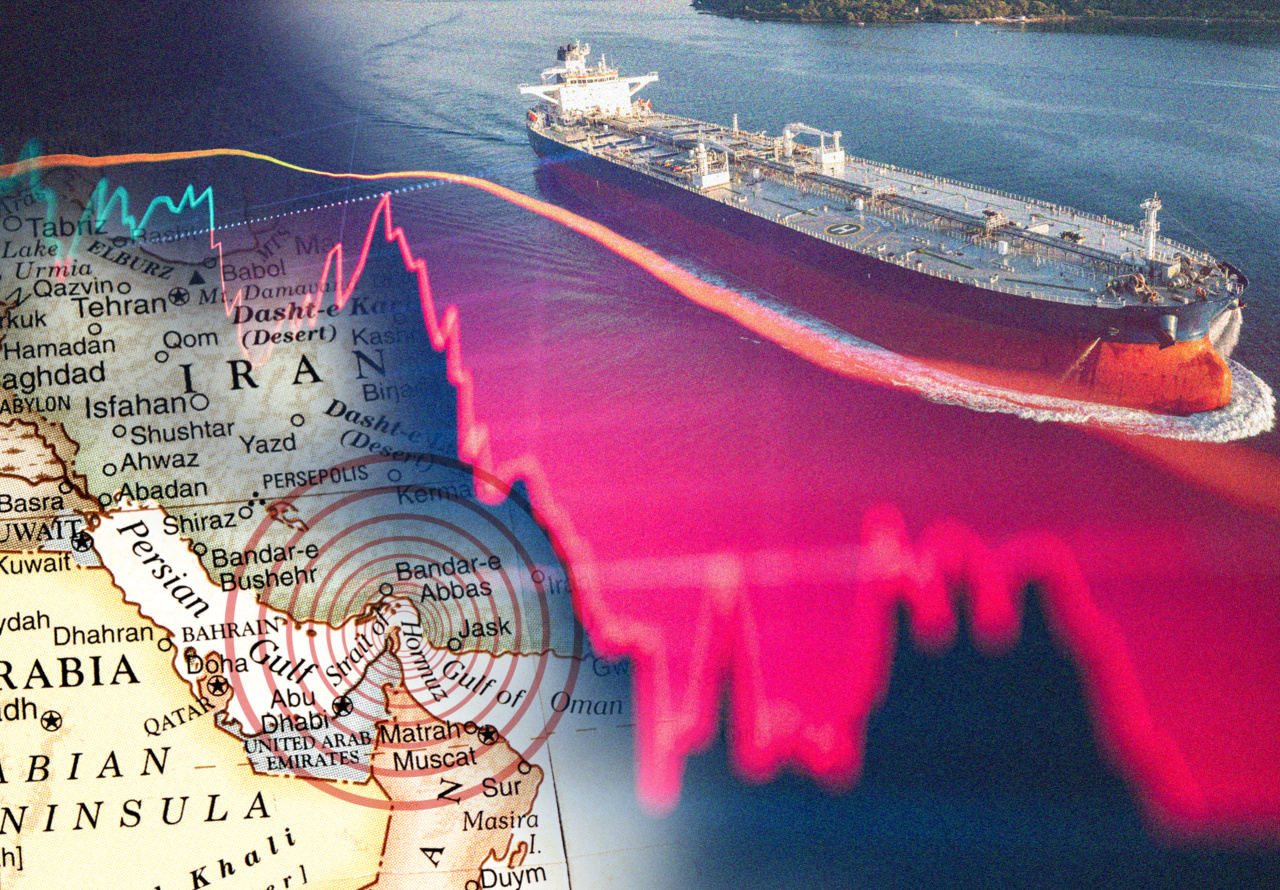

Trump’s upbeat oil comments fail to erase inflation fears and losses in the U.S. stock market