

A $25 minimum wage sounds like a pay rise. For businesses, it could trigger price hikes, slower hiring, and a faster shift toward automation — changes already starting to shape how companies plan ahead.
That risk is moving closer as Analilia Mejia of New Jersey and Delia Ramirez of Illinois push a federal $25 minimum wage bill backed by more than 100 organisations, including the National Association for the Advancement of Colored People, the American Federation of Teachers, and the National Education Association.



But the real financial question isn’t political. It’s practical: when the cost of employing people rises this quickly, who actually ends up paying for it?
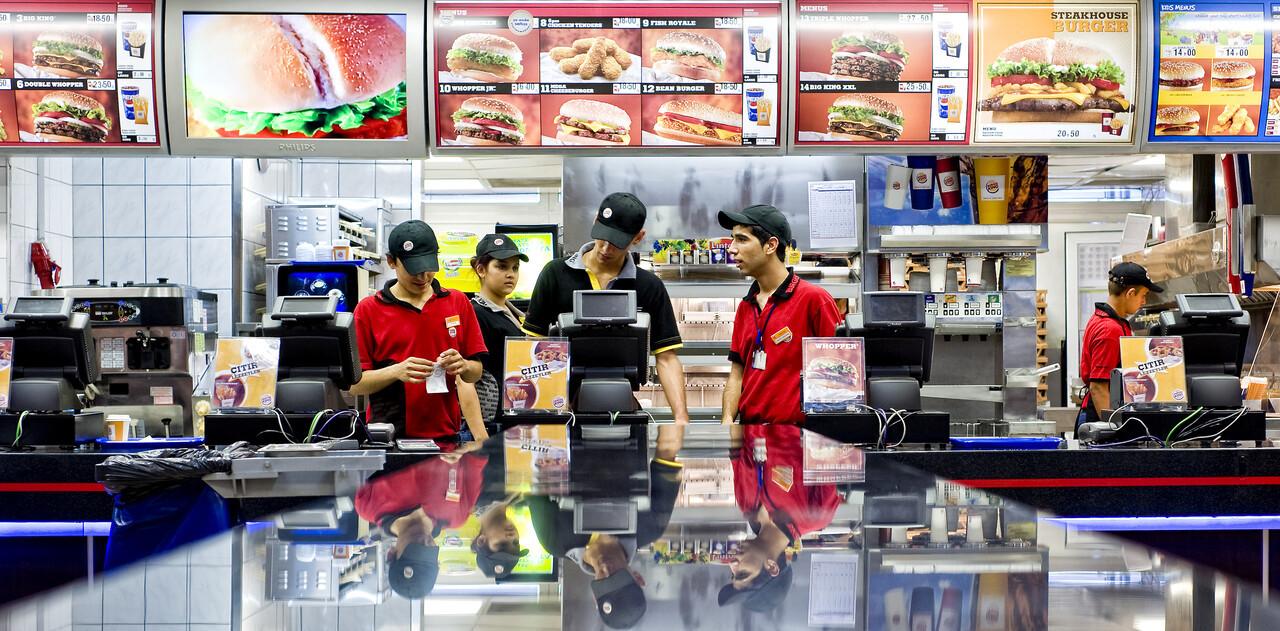
At $25 an hour, wages stop being a small adjustment and start becoming a cost shock across the economy. Labour is one of the biggest expenses in sectors like retail, hospitality, logistics, and care services. When it rises this quickly, businesses don’t have many options. They raise prices, slow hiring, cut hours — or replace labour with technology.
That’s the trade-off.
Supporters of the plan, including organisations like the National Association for the Advancement of Colored People and the National Education Association, argue wages need to match the cost of living. But once those wages move, they don’t stay contained. They ripple through pricing, hiring, and investment decisions across the economy — often faster than expected.
And when they move, they change behaviour.
In cities such as Los Angeles and New York City, where $30 wage discussions are already underway, businesses are adjusting ahead of time. Hiring models are being rethought. Pricing strategies are being tested. Investment decisions are shifting toward efficiency.
Not because companies oppose higher wages — but because the economics leave little choice.
This is the core tension behind the policy. A higher wage floor increases income for some workers, but it also increases operating costs across entire sectors. Those costs don’t disappear. They are passed on, absorbed, or avoided.
For large companies, the adjustment often comes through scale and technology. When labour becomes more expensive, automation becomes more attractive. Self-checkout systems, AI-driven customer service, and leaner staffing models move from optional to necessary. In that sense, a $25 minimum wage doesn’t just raise pay — it accelerates a broader shift in how businesses allocate capital.
For smaller businesses, the pressure is more immediate. Without the same ability to invest in automation or absorb higher costs, they face tighter margins and fewer options. That can lead to price increases, reduced hours, or slower hiring — outcomes that complicate the intended benefit of higher wages.
This is why the debate quickly moves beyond wages themselves.
If businesses pass on higher costs, inflation becomes part of the equation. If they don’t, margins compress. If they automate, job availability changes. The policy doesn’t operate in isolation — it interacts with pricing, productivity, and demand all at once.
And that interaction is already underway.
Even before legislation is finalised, the direction of travel matters. When wage expectations rise this aggressively, businesses begin adjusting early. Pricing decisions shift. Hiring becomes more cautious. Investment tilts toward efficiency and cost control.
That’s the real financial signal. The proposal may still face political hurdles, amendments, or delays. But the market doesn’t wait for final approval. It responds to incentives — and the incentive here is clear: higher labour costs demand a different economic model.
The outcome won’t be evenly shared. Some workers will earn more. Some businesses will adapt. Others will face higher costs they can’t easily absorb.
What changes is how the system behaves.
A $25 minimum wage doesn’t just raise pay — it raises the cost of employing people across the economy. And when that cost rises, businesses adjust quickly: prices move, hiring slows, and investment shifts toward automation.
That’s the real impact.
It’s not just about who gets paid more. It’s about how the economy reorganises itself around a higher price of labour — and who is positioned to benefit when it does.
Source link
#Minimum #Wage #Increase #Impact #Jobs #Prices #Businesses





